You Wouldn’t Believe the Damage You Do If You Don’t Pick Up Dog Poo on a Trip
Published: 2026. 04. 12. 07:30 -
- Photos: Getty Images Hungary; welovedogz.hu • 3 minutes readingPublished: 2026. 04. 12. 07:30 -
- Photos: Getty Images Hungary; welovedogz.hu • 3 minutes reading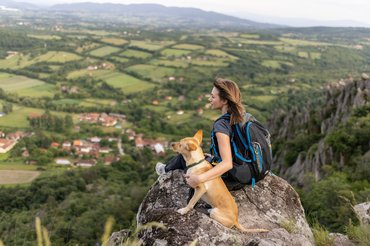
 Set WeloveDogz to appear first in Google search results!
Many people think that during trips, hikes, or walks in the woods they can quite safely leave dog faeces behind, since wild animals don’t bag up after themselves either. Fundamentally, it is understandable why this belief has formed, however there is a very important aspect that dog owners do not take into account in this situation.

From the following, you will learn why dog faeces should not be left behind in the forest or in nature during a walk or excursion.
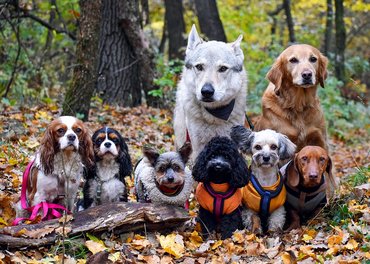
It is often stated that since dog faeces are organic matter, they decompose, thus causing no harm to wildlife; in fact, they can even function as fertiliser. However, this idea is incorrect, because although the faeces are indeed organic, they do not contribute to the ecosystem. While wild animals eat what is available in their environment and return that to nature, dogs consume food specifically prepared for them. Since they consume more protein, their faeces are highly acidic and contain higher proportions of nitrogen and phosphorus, which can also be harmful to the balance of outdoor ecosystems, as they stimulate weed growth and algae blooms in waters.
However, the biggest problem in this matter is not even the reasons outlined above. Animals in the forest can come into direct contact with dog waste left in nature, and rainfall can also wash it into the groundwater along with all the medications and anti-parasitic treatments that we give them. The Pet Impact website draws attention to the fact that sometimes these active substances are excreted in active form, which “may have the potential to kill insects and aquatic life, leading to wider impacts on our ecosystems”.
In addition, we must mention diseases such as E. coli or salmonella, as well as parasites such as roundworms. These may also be present in dog faeces even if the animal shows no visible signs of illness, and they can cause significant damage to wildlife populations, not to mention that they can easily infect people passing by.
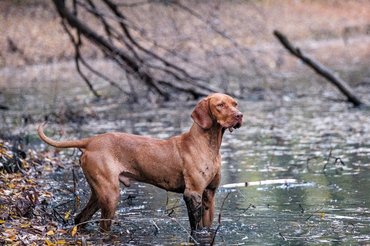
And finally, but not least, the end products of four-legged animals may carry scent markers of predators for wild animals, which can cause unnecessary stress for them, disrupting the natural balance.
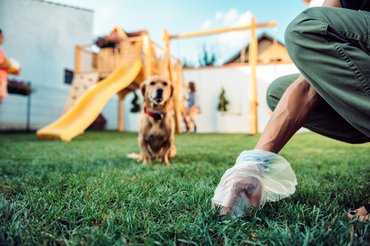
Of course, it will not be enough if you bag up the waste and then toss it aside along the hiking trail. After putting it in a bag, find the nearest bin. In many places, this may not necessarily be possible, so you may have to carry the small package all the way home. We do not deny that this can be inconvenient, but in reality, this is the minimum you can do to protect your environment, animals, and fellow people.
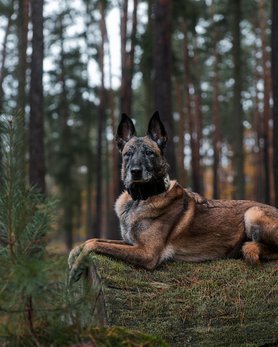
We recommend that, in addition to a poo bag, you also bring a thicker, sealable, reusable plastic bag that better prevents smells from escaping. If you set out on a very long journey and are not sure whether there will be a bin along the route, you could also sprinkle some bicarbonate of soda into the sealable bag, which somewhat neutralises the odour of the fumes. Odour-neutralising poo bags are also available, which have worked with varying degrees of success based on our experience so far. None of them are perfect solutions, but they can reduce the unpleasantness caused by smells.
Thank you for acting responsibly! If dog faeces cannot be composted for our own protection, it is very important that with the above precautions we show respect to the animals of the forest and our fellow hikers as well.
Follow us!
facebook instagram youtube spotify
Related articles