7 Dog Breeds That Hardly Shed
Published: 2026. 03. 21. 07:30 -
- Photos: Getty Images Hungary; welovedogz.hu • 4 minutes readingPublished: 2026. 03. 21. 07:30 -
- Photos: Getty Images Hungary; welovedogz.hu • 4 minutes reading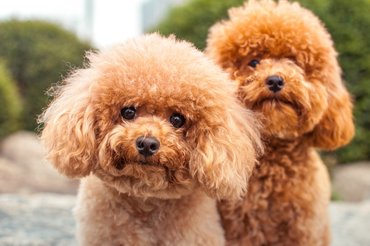
 Set WeloveDogz to appear first in Google search results!
More and more people are looking for dog breeds that do not shed, whether due to a family member prone to allergies or simply a desire for a cleaner home. Although there is no dog whose coat does not shed at all, certain breeds do leave significantly less hair around the house. Let’s take a look at them!
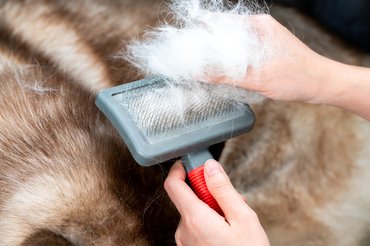
It is important to note that minimal shedding does not mean less grooming. In fact, quite the opposite! These dogs’ coats grow continuously, much like human hair, so they require regular brushing and trimming – but in return, they make cohabitation easier with a tidier environment.
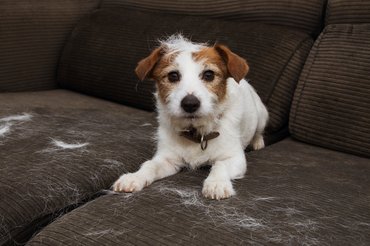
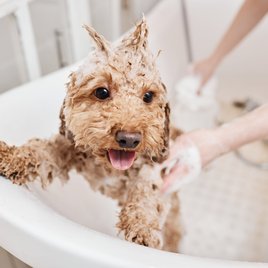
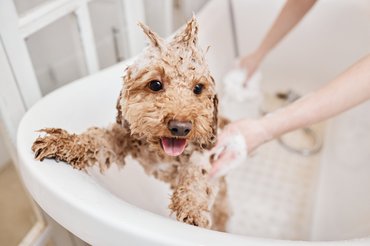
One of the best-known minimally shedding breeds. Their curly, wool-like coat grows continuously, and loose hairs mostly remain trapped within it. For this reason, poodles require regular brushing, even several times a week, to prevent matting. In addition, a visit to the groomer every 4–8 weeks is recommended. They are highly intelligent, quick learners and energetic, so mental and physical stimulation are just as important as coat care.
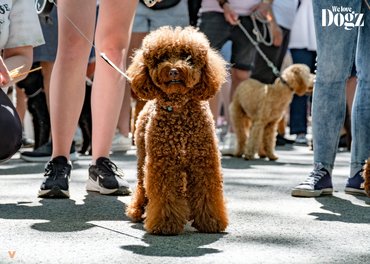
Compared to most dogs, they shed less, and their soft, curly coat is particularly eye-catching. Their snow-white fur gets dirty easily and tends to tangle, so daily brushing is required. For the Bichon Frisé it is important to regularly clean the area around their eyes, as tears may stain the coat. This friendly and cheerful breed needs grooming every 4–6 weeks to keep their coat tidy. They are especially sociable and family-oriented.
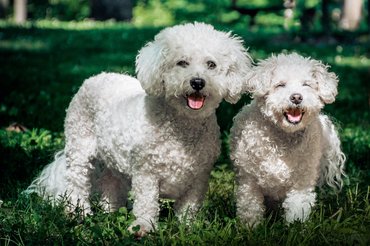
This Italian breed was originally used as a water dog and truffle hunter. They are active and intelligent, requiring both exercise and mental challenges. At first glance, they resemble the poodle with their curly, woolly coat, which sheds very little but needs regular brushing and occasional trimming. If the Lagotto Romagnolo’s curly coat is left without proper care, their coat can easily mat, and the pulling of tangled fur may cause discomfort and skin problems.
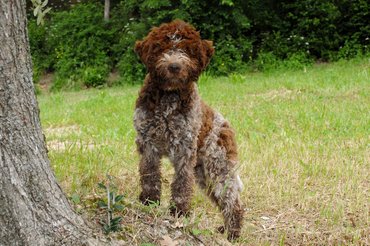
They hardly shed, but their long coat tangles easily if not brushed regularly. Daily grooming is essential in the case of the Maltese as well, and many owners opt for a shorter trim for practicality. Regular bathing and keeping the area under the eyes clean are also important, as tears can permanently stain their coat.
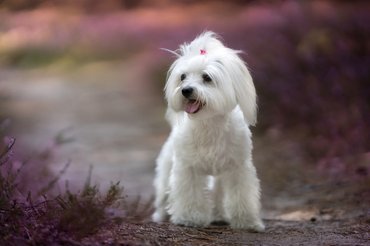
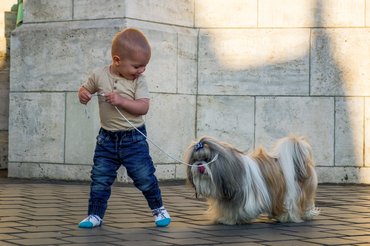
This uniquely named breed with a silky coat sheds far less than most terriers. Their coat grows continuously, requiring regular brushing and shaping. The puppy coat changes over time, so the grooming routine may also need adjustment. They are energetic and playful, and with consistent training, they make excellent family companions.
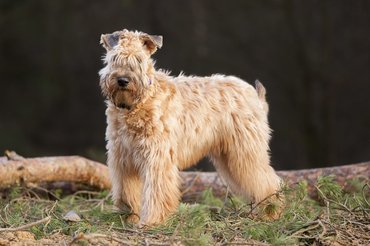
Their curly or wavy coat sheds minimally but still requires regular brushing and occasional trimming. As they are particularly fond of water, they will appreciate swimming, after which thorough drying and cleaning are especially important to maintain skin health. They are intelligent and energetic, thriving in active families.
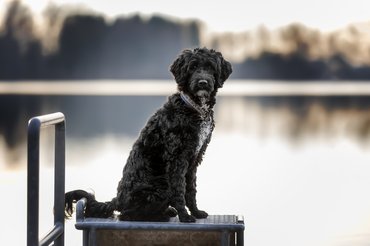
Whether miniature, standard or giant, schnauzers have a wiry coat that hardly sheds. In addition to regular brushing, they require periodic hand-stripping, during which dead hairs are removed manually or with a special tool. Their distinctive beard and eyebrows need extra care, especially after meals. They are energetic, alert and make excellent watchdogs.
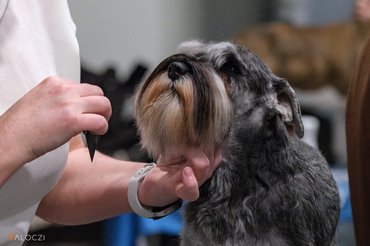
In general, with low-shedding dogs, loose hair does not fall out on its own, so regular brushing is essential to prevent tangles and skin issues. Visiting a professional groomer is recommended every 4–8 weeks, depending on the breed and coat type. Proper nutrition also contributes to coat shine and skin health. Although the breeds mentioned in this article are often described as hypoallergenic, it is important to note that no dog can be guaranteed not to trigger symptoms in sensitive individuals. Allergic reactions are primarily caused not by the hair itself but by a protein called Fel d 1 found in dogs’ saliva. (Naturally, accumulated hair mixed with dust and other debris in the environment will not help allergy sufferers either.)
Follow us!
facebook instagram youtube spotify
Related articles