Wet Grass Is One of Dogs’ Greatest Enemies: We Explain Why
Published: 2026. 05. 16. 07:30 -
- Photos: Getty Images Hungary • 3 minutes readingPublished: 2026. 05. 16. 07:30 -
- Photos: Getty Images Hungary • 3 minutes reading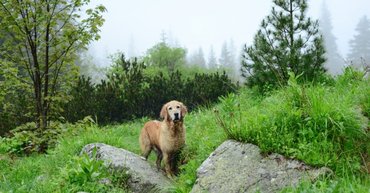
 Set WeloveDogz to appear first in Google search results!
When the rain washes away old scents and presents dogs with new ones, we should not be surprised that some pets nearly go mad with excitement to throw themselves into the pleasures offered by nature or the soft embrace of the dog park. At such times, however, many also face rather unpleasant effects.

We shall immediately explain what influence wet grass has on a dog’s health!
A pleasant, long rainfall really can wash pollen out of the air, thereby reducing pollen concentration, but allergy sufferers know well that stronger storms trigger exactly the opposite effect. As Dr Krisztina Moric, ear, nose, and throat specialist, allergist, and chief physician of the Budai Allergiaközpont, explained to allergiakozpont.hu: due to heavy rain and thunderstorms, pollen grains break apart into smaller particles. Unlike intact pollen, these smaller particles can reach the deeper parts of the lungs, thereby triggering more severe allergic reactions and more serious asthma attacks.
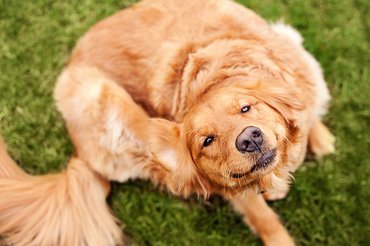
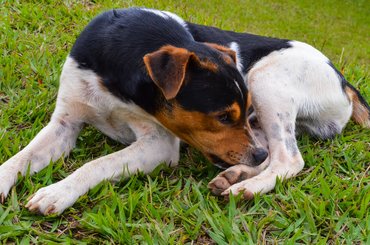
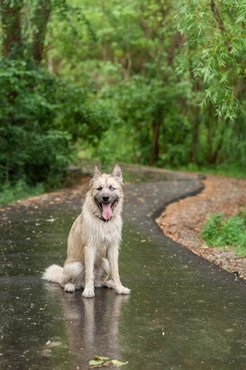
In the case of dogs as well, pollen allergies and asthma are being diagnosed increasingly often. When allergic dogs wade through wet grass, their legs and bellies come into direct contact with these irritation-causing pollens. As a result, we may observe that the dog licks these body parts more frequently and more intensely because they itch.
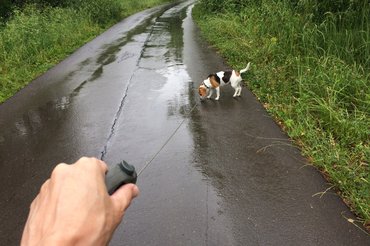
As veterinarian Dr Chris Brown writes on his website, the moisture on the surface of plants worsens the situation even further. The plant proteins to which the dog is sensitive dissolve in the water and are fully capable of coating the skin. In addition, the moisture also softens the skin. As a consequence, grass and certain weeds more easily cause micro-injuries, which allow allergens to enter.
It is therefore very important that after storms and rainfall we pay special attention to allergic and asthmatic dogs, but also to those for whom such problems have not yet been diagnosed. (Both allergies and asthma can develop over the years; the fact that the dog is not currently affected is no guarantee.) The appearance of the symptoms detailed above definitely warrants a visit to the veterinarian!
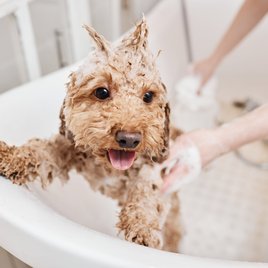
The simplest and safest method is to avoid routes with denser vegetation during wet, humid weather. If this is not possible, it can also help greatly if you quickly but thoroughly wash the dog’s paws and belly after the walk. It is best to use a soothing, gentle dog shampoo or a hypoallergenic wash specifically developed for allergic dogs.
Follow us!
facebook instagram youtube spotify
Related articles