The effects of early stress stay with a dog for life: these breeds are affected the most intensely
Published: 2026. 04. 18. 07:30 -
- Photos: Getty Images Hungary • 5 minutes readingPublished: 2026. 04. 18. 07:30 -
- Photos: Getty Images Hungary • 5 minutes reading
 Set WeloveDogz to appear first in Google search results!
It has been proven that stressful events experienced in puppyhood – especially in the period before 6 months of age – negatively influence the behavioural patterns of adult dogs. Just as numerous studies confirm in the case of children.

The functioning of humans and dogs is remarkably similar, as we also share many similarities in our structure. We are social species, with largely similar brain structures, so we can observe many parallels in our cognitive and emotional processes. Therefore, it is not surprising that early stress can cause psychological problems both in us and in dogs.

A total of 4,497 dogs took part in the research; their owners had to complete the so-called Canine Behavioral Assessment and Research Questionnaire (C-BARQ), which consists of 101 questions, in which owners rate the frequency and intensity of behaviours observed in their dog.
The researchers examined whether the dogs had experienced the following seven common stress factors:
In each case, it was recorded whether the dog had experienced such an event, how often, and at what age it happened. In addition, a great deal of other data was collected, such as the dog’s sex, neutering status, breed, size, living conditions, and whether there were children in the household.
The main focus of the research was fear and aggression, as these are the most common reasons why dogs end up in shelters or are euthanised. The results showed a clear pattern:

Stressful experiences that occur before the dog reaches 6 months of age have the strongest impact on later behaviour, increasing fear and aggression. Researchers refer to this period as a “sensitive period”. Although stress experienced later can also have an effect, these effects are much weaker than those of early experiences.
It is important that the effects of early stress persist throughout the dog’s entire life, regardless of size, sex, neutering, level of exercise, or home environment. The more stress a dog experiences, and the more frequently, the more severe the behavioural consequences.
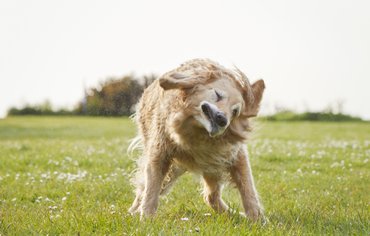
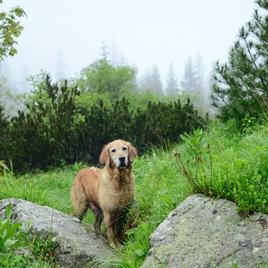
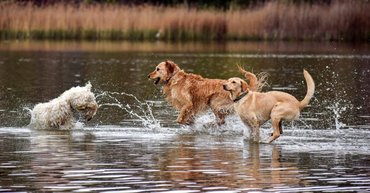
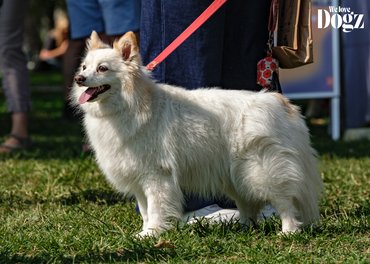
The analysis also showed that breed is an important factor. The aggression of golden retrievers and labrador retrievers is hardly influenced by early stress, whereas the aggression of Siberian huskies and American Eskimo dogs increases significantly under stress. However, it is important to note that the effect of stress is not always the same in terms of fear and aggression. For example, in labradors, fear did not change significantly, while golden retrievers – although they did not become more aggressive – did become more fearful as a result of early stress.
Our findings establish that breed ancestry and individual experience interact to show fear and aggressive behavior in pet dogs, confirming that socioemotional behavior is shaped by gene-environment interactions. – the researchers summarised.
Anxiety in dogs is rarely easy to diagnose. If your pet is nervous despite your best efforts, or you notice signs of fear, it is worth thoroughly investigating what may be behind it. An anxious dog is not happy, and as shown, it can have serious negative effects on their adult years.
Although most owners are aware of how to make a puppy’s daily life as calm as possible and protect them from negative experiences, there may be one factor so fundamental that some may overlook it.
“If dog does X, then Y happens. It sounds simplistic, but it really seems to help dogs know what happens when.” explains Katherine Houpt, professor emerita of behavioural medicine. In simple terms, this means, for example, always asking the dog to sit before petting them, or asking for their paw after a walk, wiping it, and only then allowing them into the living room. These all give the dog a sense of control.
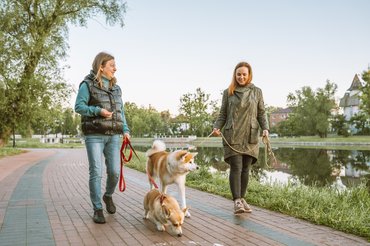
By following the steps listed on the Cornell University website, you can do a great deal to help your dog feel safe in everyday life:
Schedule feeding, walks, play, and training regularly. Rest can also be part of the routine. For example, during dinner the dog stays in their place or crate – so when guests arrive, this will already be a familiar and safe situation for them.
Holidays, the postman, guests: all of these can disrupt the routine. Prepare in advance (for example by providing a separate room) so you can remove the dog from the stressful situation.

A crate can be a safe refuge in stressful situations. If they are already accustomed to it, they can more easily retreat there when needed. It is important that this is never used as punishment – only then can it remain a safe resting place.
If your dog is afraid of strangers or other dogs, teach them simple tasks (for example nose touch, coming to heel), and use these as distractions. Always reward calm behaviour. Even a simple “sit–down–sit” sequence can help break them out of a stressful situation, and over time they will learn to look to you and expect guidance from you when they find themselves in uncertain situations – making them less likely to panic.
Follow us!
facebook instagram youtube spotify
Related articles