Why does a dog beg? Surprisingly, it’s completely natural behaviour
Published: 2026. 01. 26. 07:30 -
- Photos: Getty Images Hungary • 4 minutes readingPublished: 2026. 01. 26. 07:30 -
- Photos: Getty Images Hungary • 4 minutes reading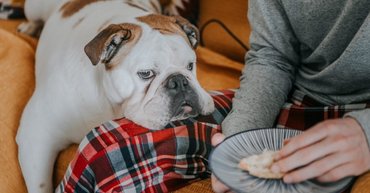
 Set WeloveDogz to appear first in Google search results!
Many people find this behaviour annoying and are quick to label it as poor manners or a bad habit. However, it’s worth approaching the question not from a human perspective, but from that of the four-legged one.

Here’s why dogs beg – and how you should respond to the behaviour.
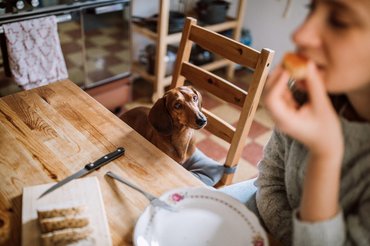
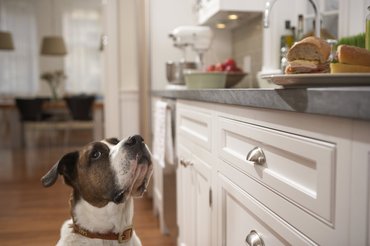
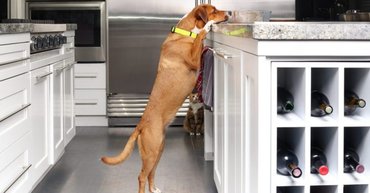
During begging (or panhandling), a dog does nothing more than fix us with an intense stare while standing or sitting by our feet, or sometimes propping themself up against our thighs while we eat. If they touch the food, snatch it from our hand or steal it from the table, that is no longer begging and that really can be dangerous and harmful. They could accidentally snap at our hand or face, or get hold of food that is unsafe for them.
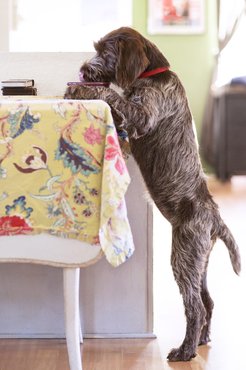
When a dog is simply watching us eat, pleading with their eyes, whimpering, or maybe even letting a bit of drool drip, they are doing nothing wrong. We are witnessing completely natural behaviour. Our companions are descendants of opportunistic predators. This means that wolf ancestors – and modern wolves – did not and do not specialise in a single type of prey; instead, they caught whatever was most accessible and required the least energy to obtain. Moreover, at the very beginning of domestication, early dogs relied heavily not only on hunting but also on carcasses and waste left behind by humans. This also contributes to the instinct to seize every possible opportunity to get food.
If this behaviour has worked in the past – that is, if your companion got one or two mouthfuls after staring long enough – then you have reinforced this natural behaviour. There’s no need to worry, though: it can be corrected if it bothers you. It’s important to note that many people feel they are offending or hurting their dog if they don’t give them a few bites in these situations. This way of thinking is very human, and it also stems from the fact that we often anthropomorphise our four-legged companions – in other words, we attribute human, complex emotions, thoughts, traits and intentions to them.
It’s essential to understand that if you feed your companion regularly and their nutritional needs are met, they cannot be hungry – so there’s no need to give them anything extra, especially not human food.
That said, consistency is absolutely crucial. If you decide that you will give them some food from your plate at such times – although we do not recommend this at all, for several reasons –then you must do so every single time. Your dog will not understand why once they’re allowed, and another time they’re angrily chased away. And if you decide not to give them food in these situations, then never do so. Stick to your decision, reminding yourself that you are not hurting them and that your relationship is not at risk. Consistency provides the best foundation for any relationship, and it also allows your dog to know what to expect in a given situation.
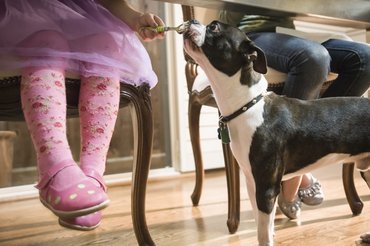
There are many tips, tricks and pieces of advice on how to correct begging behaviour. These include feeding your dog before you sit down to eat yourself – which, of course, only works once or maybe twice a day, depending on how often you feed – or redirecting their attention during meals with a toy, a snuffle mat or a food puzzle. These can all be useful and may work, but the best solution in this case is to teach the “go to your place” command, or, if they already know it, to apply it in these situations.
If taught correctly, the dog will not experience staying in their place as a punishment, but rather as a safe and comfortable spot they can calmly retreat to in any situation. If they don’t yet know the command, it may take time to learn, but it’s extremely useful and can confidently be applied in many other cases as well. For example, when you have to let strangers into the home – such as a meter reader – when you’re mopping the floor, or when you’re doing something that could be dangerous for your four-legged companion.
If you’re only just preparing for dog ownership, we recommend that no matter how big and pleading your companion’s eyes are, you never give them food from your own plate – and that everyone you live with sticks to this rule. It’s also worth teaching the “go to your place” command as early as possible and using it while you’re eating.
Follow us!
facebook instagram youtube spotify
Related articles