These Changes Indicate That Your Dog Is Ageing
Published: 2026. 04. 20. 07:30 -
- Photos: Getty Images Hungary; welovedogz.hu • 6 minutes readingPublished: 2026. 04. 20. 07:30 -
- Photos: Getty Images Hungary; welovedogz.hu • 6 minutes reading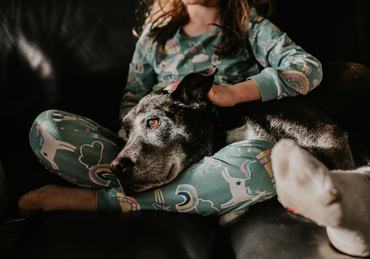
 Set WeloveDogz to appear first in Google search results!
Caring for an ageing dog can come with challenges, especially if you are not entirely sure what to look out for.

From the following, you can find out when a dog enters their senior years, what behavioural and physical changes indicate ageing, and how you can support them so they can live a full life to the very end.
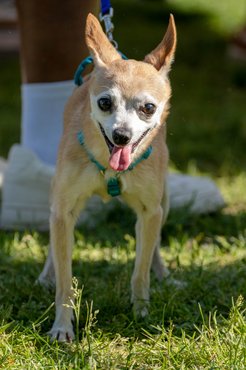
In dogs, the pace of ageing largely depends on body size: large and giant dogs age faster than smaller breeds. The following provides an approximate guideline as to when a dog can be considered elderly:
However, it is important to note that dogs do not become old overnight. Ageing is a slow, gradual process, and the changes are often quite subtle. This is why it is particularly important to monitor your dog’s health and behaviour, and discuss any observed changes with a veterinarian.
As dogs age, you may notice that they seem stiffer when getting up or hesitate before jumping onto the sofa. Due to changes in hearing and vision, elderly dogs may startle more easily or even miss a treat thrown in front of them. Some of these changes are a natural part of ageing, such as cataracts or joint wear (osteoarthritis). Others may be linked to more serious health problems, such as glaucoma, chronic inflammation, or infection. All of these can affect an elderly dog’s comfort and behaviour, so it is worth paying attention even to minor changes and discussing them with a veterinarian.
Many people notice that older dogs’ eyes appear cloudy. Although this is common in senior four-legged companions and does not always affect vision on its own, it may indicate cataracts or another eye condition, so it should always be checked by a veterinarian.
Metabolic health – that is, how the body regulates blood sugar levels, body weight, organ function, and energy levels – can also change with age. Organs such as the thyroid, kidneys, and liver play a key role in regulating metabolism and maintaining energy and nutrient balance. As dogs age, these organs may become impaired due to age-related diseases, which can disrupt this balance. Owners may notice, for example, changes in appetite, seemingly unexplained weight gain or loss, or lower energy levels. These signs are worth discussing with a veterinarian, as metabolic changes are often more effectively managed when detected early.
Although unpleasant breath can occur at any age, if it suddenly becomes strong, it may indicate gum disease, tooth decay, or an oral infection. The immune system weakens with age, so dogs have a harder time fighting infections. In addition to dental cleaning, the veterinarian may also recommend blood tests to rule out infections.
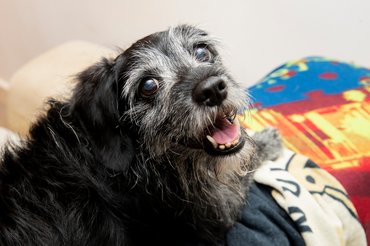
In some dogs, harmless fatty lumps (lipomas) are common and appear more frequently in older age. However, as Dr Nóra Szabolcs, an oncological and soft tissue surgeon, also advises, every new lump and bump should be shown to a veterinarian – regardless of the dog’s age.
Pain is not always obvious in elderly dogs, as many hide discomfort well. For example, a four-legged companion suffering from joint inflammation may not necessarily whine or limp, but may avoid stairs or jumping into the car, which can also indicate pain. A reduced appetite may even be the only sign of pain caused by periodontal disease. Constant licking, chewing, or scratching, increased panting or pacing, and irritability may also indicate pain.
Not only physical changes matter; changes in behaviour can also indicate a health problem – these are often related – but they can also be a natural part of ageing. For example, if your previously gentle dog suddenly becomes irritable, it may be a sign of pain (such as joint inflammation) or other physical discomfort. If they were previously energetic but now sleep significantly more, this may also be normal, but it could equally indicate illness.

Behavioural changes may also be caused by cognitive dysfunction syndrome (CCDS), a form of dementia similar to Alzheimer’s disease in humans. According to a study, it affects 14–35% of dogs over the age of 8. CCDS can cause significant changes in everyday behaviour.
The ageing process can vary for each dog, but behavioural changes generally include the following:
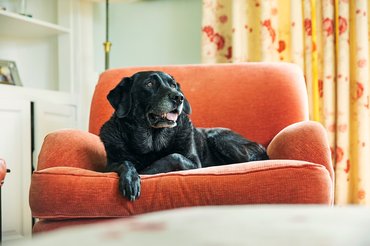
The first and most important thing you can do as an owner is to take them for routine veterinary check-ups every six months once they are elderly. As shown above, owners often do not necessarily notice the signs of pain or change, or simply attribute them to natural, normal ageing. However, routine examinations can reveal various conditions very quickly, allowing treatment and support to begin. This is important not only because most diseases are much easier to manage when detected early, but also because your pet does not have to live with pain.
In this situation, the saying “better safe than sorry” applies, meaning that no matter how small a change may seem, it is safest to contact your veterinarian. Even if you already attend routine check-ups every six months.
During such examinations, the veterinarian can create a personalised plan for your dog, which may include medication and lifestyle changes. In general, even if your dog is in good condition, make sure not to over-exercise them, lift them into the car and onto the sofa, and check the inside of their mouth and their entire body every day. These may seem like small things, but they can make a significant difference when prevention and support are the goal.
Follow us!
facebook instagram youtube spotify
Related articles