10 Human Foods That Can Be Deadly to Dogs
Published: 2025. 08. 09. 07:42 -
- Photos: Getty Images Hungary • 5 minutes readingPublished: 2025. 08. 09. 07:42 -
- Photos: Getty Images Hungary • 5 minutes reading
 Set WeloveDogz to appear first in Google search results!
There are those who think that the topic has been repeated ad nauseam, but as long as we see people asking for sugar-free ice cream for their dogs at the ice cream parlor and feeding their pets spicy meat, we will not stop collecting similar lists.

Here are the most toxic foods for dogs. In this collection, we also explain why a given food is toxic and what effects it can have.

Before we get started, let's pause for a moment. Whether something is toxic, and how toxic it is, depends on the amount consumed and the individual sensitivity and health of the dog. In fact, it also depends on the size of the dog. So, for example, a sick Chihuahua may need much less of a given food than a Labrador. In the cases listed below, it is not worth taking any risks with even small amounts, as irreversible consequences can be expected! If you suspect poisoning, call your veterinarian immediately!
Chocolate, or more precisely cocoa, is toxic to dogs due to theobromine and caffeine. These stimulate the central nervous system and the heart, and what's more, our pets' bodies break down these compounds very slowly, causing them to accumulate in their bodies. For this reason, it is not uncommon for symptoms such as restlessness, tremors, vomiting, cardiac arrhythmia, seizures, and in severe cases, death to appear only the day after eating chocolate. The darker the chocolate, the more theobromine it contains.

Xylitol, also known as birch sugar, can suddenly cause the release of large amounts of insulin in dogs, which can lead to a drastic drop in blood sugar levels, or hypoglycemia, within 10 to 60 minutes. In larger quantities, it also destroys liver cells, which can lead to acute liver failure. Even small amounts can be life-threatening, especially if ingested on an empty stomach. Symptoms include lethargy, vomiting, loss of coordination, and seizures.
The exact toxic substance in grapes and their dried form, raisins, is unknown, but it is certain that they can cause acute kidney failure, regardless of the amount and the breed of dog. Even a few grapes can trigger a reaction, which may be more severe in some dogs and milder in others, but it is always risky. Symptoms appear within 6-12 hours and may include vomiting, diarrhea, loss of appetite, dehydration, and then urinary retention. Without treatment, it is fatal.

A compound called thiosulfate, found in all types of onions, damages red blood cells, causing hemolytic anemia, i.e., the destruction of red blood cells faster than normal. This leads to oxygen deficiency in the tissues, which in severe cases can cause organ damage or death. The effect is not always immediate; it can take several days for symptoms to appear. Symptoms include lethargy, rapid breathing, pale gums, vomiting, and diarrhea. They are dangerous in raw, cooked, and dried forms.
The antifungal toxin persin found in avocados can cause vomiting, diarrhea, and in more severe cases, heart muscle or respiratory problems. Dogs are generally less sensitive than birds or horses, but large quantities are dangerous for them as well. The concentration of persin is highest in the stem and leaves of the fruit, followed by the skin, pit, and flesh, especially the parts closest to the skin.
The yeast in raw dough continues to ferment in the moist and warm environment of the stomach, producing carbon dioxide and alcohol. This can lead to bloating, painful stomach distension, and in extreme cases, gastric torsion, which is a life-threatening condition. The alcohol produced during this process can cause poisoning, and the gas can put pressure on the diaphragm and organs. Even a small piece of raw leavened dough can pose a serious danger.
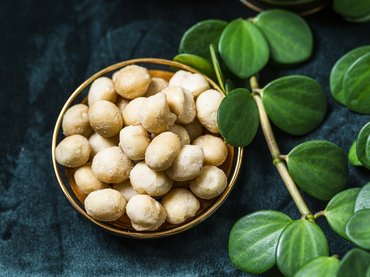
It is not yet known why macadamia nuts are toxic to dogs. Consumption can cause muscle weakness, tremors, loss of coordination, and fever, often within 12 to 24 hours. Even a few macadamia nuts can cause serious symptoms, especially in small dogs. Most animals recover within 1–2 days, but during poisoning, the dog may be very weak and unable to move, so veterinary care is always required.
Moldy foods often contain mycotoxins, such as tremorgens, also known as toxins that cause tremors. Even a small amount of moldy bread or cheese can cause neurological symptoms such as muscle tremors, convulsions, and loss of coordination. In severe cases, liver damage, coma, and death can occur. Mold toxins are heat-resistant and do not break down during cooking, so don't even think about saving moldy food from the trash and feeding it to your dog! And take it seriously for yourself too! Since mold permeates the entire food, scraping it off is useless.
The ethanol in alcohol is absorbed very quickly by dogs and has a stronger effect on them than on humans. It affects the central nervous system, heart, and respiratory center, which can lead to coma or respiratory arrest. Even small amounts of beer, wine, or alcoholic sweets can cause poisoning, with symptoms including vomiting, loss of coordination, drowsiness, and slowed breathing.

As mentioned in relation to theobromine, caffeine is excreted much more slowly from dogs' bodies, causing prolonged overstimulation. It affects the heart and nervous system, which can cause arrhythmia, tremors, and convulsions. Energy drinks may contain other stimulants in addition to caffeine, which can increase toxicity. Even the smallest sip can cause problems, especially in small dogs.
Follow us!
facebook instagram youtube spotify
Related articles