This is Why the Quality of Food is Important For Your Dog During the Colder Months
Published: 2025. 09. 28. 07:30 -
- Photos: Getty Images Hungary • 4 minutes readingPublished: 2025. 09. 28. 07:30 -
- Photos: Getty Images Hungary • 4 minutes reading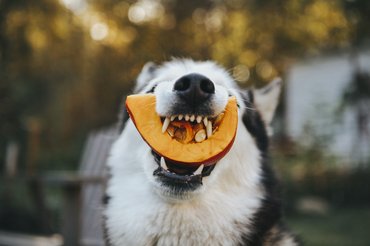
 Set WeloveDogz to appear first in Google search results!
As the weather gets colder, not only our needs but also those of our dogs change. The quality of food is key to their well-being and health.

With the arrival of the cold seasons, many owners try to make their pets' everyday lives more comfortable: they provide a warmer bed, check their paws more often, and if the pet has short hair, is old, young or sick, sweaters also come out. But there is one factor that we often forget about – the quality and quantity of food. Cold weather increases energy expenditure, affects joints, coat and hydration. That is why it is important to adjust our dogs' diet to the season so that they stay strong and healthy throughout the fall and winter.

As temperatures drop, one important factor that often gets overlooked is proper pet nutrition. Cold weather can affect our pets in a number of ways, and their dietary needs change with the seasons. In this article, we’ll look at why it’s important to adjust your pet’s diet for the colder months, and provide some helpful tips on how to keep your furry friends happy and healthy.

Introducing nutrient-rich foods: it is worth switching to a high-quality, nutrient-rich food. Look for options that contain a larger portion of animal protein, as well as essential fatty acids, vitamins and minerals.
Increasing protein intake: protein is key to maintaining muscle mass and overall health, but in these times it is worth providing an even higher protein diet.
Supplementing Essential Nutrients: if your pet’s regular diet does not provide all the nutrients they need, be sure to consult your veterinarian about using supplements. This can be especially important for pets with special health needs or dietary restrictions.
Portion Control: monitor your pet’s weight and adjust portions if necessary. They may exercise less during the colder months, so it’s important to prevent excessive weight gain. However, outdoor pets may eat more to build up their winter fat, which is completely normal and even necessary to keep them warm.
Just like us, dogs need a balanced diet to keep their immune systems strong during the colder months. Protein is a central element of the diet not only for cats, but also for dogs. Try to choose high-quality protein sources, such as lean meats. However, it is also worth paying attention to carbohydrates to keep the energy balance in balance.
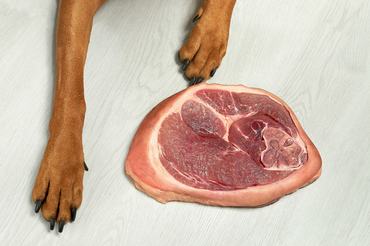
Lean meats: chicken, turkey and rabbit are easy to digest, nutritious, and help maintain muscle and energy levels.
Fish: these are high in omega-3 fatty acids, which, as mentioned above, are essential for healthy skin and coat.
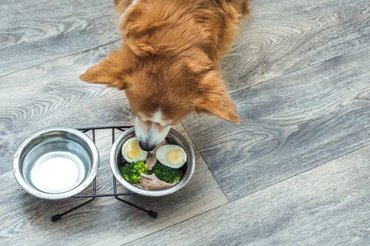
Eggs: boiled eggs, naturally without seasoning, are rich in protein and amino acids, supporting muscles and the immune system.
Offal: small amounts of liver or kidney provide vitamins and iron, which help with metabolism, but should only be given in moderation.
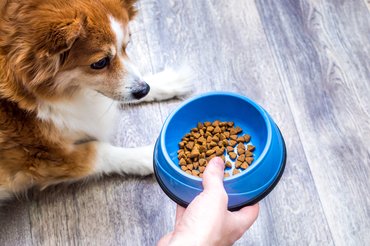
Incorporating superfoods into your dog’s diet can help them thrive even in the harshest weather conditions. It’s also a good idea to include seasonal vegetables, such as root vegetables (carrots, sweet potatoes, parsnips), and leafy greens (kale, spinach, broccoli) in your daily rations in small amounts as tasty treats or mixed into their food. But it’s not just vegetables that you can give them; berries, such as blueberries, also have a lot of health benefits.
However, it’s also true that before introducing any new food source into your dog’s diet, you should consult your veterinarian. But even then, introduce your dog to the new food gradually and watch how he reacts to it.
Follow us!
facebook instagram youtube spotify
Related articles