Autumn Vegetables and Fruit That Dogs Can Eat
Published: 2025. 09. 06. 07:30 -
- Photos: Getty Images Hungary • 5 minutes readingPublished: 2025. 09. 06. 07:30 -
- Photos: Getty Images Hungary • 5 minutes reading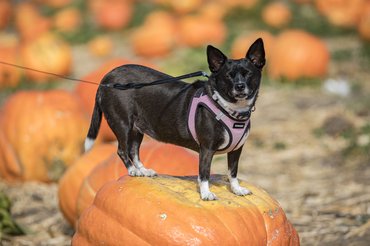
 Set WeloveDogz to appear first in Google search results!
Autumn brings a wealth of delicacies, but as a farmer, it's good to know what your pet can eat and what is forbidden for them.

We are already well into the end of summer, and in terms of gastronomy, autumn is truly generous, bringing with it real treasures. But before you share any autumn delicacies with your four-legged friend, find out if they are safe for them. Some fruits and vegetables that are healthy for us can cause problems for dogs, while others are downright poisonous.
First, let's see what you can offer your pet!
We still have to wait a little longer for this orange, sweet, healthy, and very versatile delicacy—old-timers say that pumpkin is really good once it has been touched by frost—but as soon as the season arrives, you can make an almost endless number of dishes with it. You can share roasted or boiled pumpkin with your dog as a side dish, and they will probably love it. However, do not use sugar when preparing it (we recommend this for pumpkins intended for human consumption as well, as it is much healthier without it) or other spices such as pepper or chili.
However, don't overdo it in terms of quantity, and offer a few cubes or a little more depending on the size and age of the animal. Too much pumpkin can cause loose stools and digestive problems in dogs that are sensitive to it.
As a rule of thumb, introduce new foods into your dog's diet gradually and watch for any reactions. If your pet has a chronic illness or even just poor digestion, be sure to consult your veterinarian before giving them anything new.
Carrots can be served raw, boiled, steamed, or baked to dogs. Make sure that your dog does not swallow pieces of raw carrots that are too large, as this could cause choking.
Sweet potatoes are sweet and creamy, similar to pumpkin, and the good news is that you can give them to your dog too. Again, avoid seasoning them, don't add salt, and don't overdo it.
It is better to be cautious with plain potatoes, as their high starch content makes them more difficult to digest. They are best served boiled, without any seasoning.
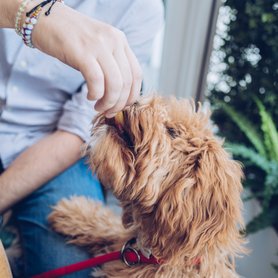
Beetroot can also be served raw, steamed, boiled, or roasted, without spices, but the pickled version is not suitable for animals! It is important to note that it can color urine and feces: the former may turn pink, and the latter may turn a darker brown after consuming the vegetable, but don't be alarmed, this is natural.
Boiled chestnuts are a nostalgic delicacy for many people, and they are also full of vitamins and minerals. Your dog can have a few, but make sure they don't swallow them whole! It's better to mash them up if you think your dog might eat them too eagerly.
It is very important to note that horse chestnuts are poisonous to dogs, so do not let your dog play with them!
Fennel is also dog-friendly, so if you want to try it, your pet can taste it with you.
You need to be careful with eggplant because some dogs are sensitive to it and may develop allergies if they eat it. First, give your dog a small taste, and if it doesn't cause any problems, you can offer a little more. But always cook or bake it first, without spices or salt.
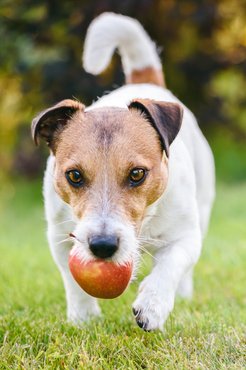
Apples are also safe for dogs, but it is best not to let them eat the core because of the seeds it contains: although only toxic in large quantities, it is better to avoid them.

Juicy pears can also be given to dogs, but care should be taken with the amount given, as they can cause bloating and stomach ache, especially the skin.
Your four-legged friend can also eat plums, but here too, you need to be careful about the quantity, as excessive consumption can also cause stomach upset. Also, make sure your dog does not accidentally swallow the sharp, stone-like pits, as they can cause internal injuries and intestinal blockages.
You need to be very careful with onions, as they are all toxic to dogs. So don't feed your pet any food containing onions!
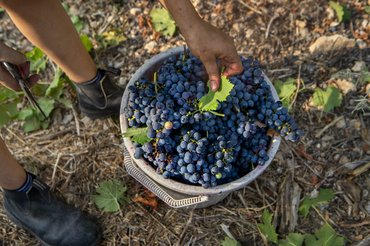
We have said many times that grapes and their dried form, raisins, can lead to kidney failure. The amount that causes problems depends on individual sensitivity, but it is better not to tempt fate. Smaller animals and those with chronic illnesses should be protected in particular.

Although they are not fruits or vegetables, when talking about autumn foods and drinks, it is important to mention the spices responsible for the typical autumn flavors, such as cinnamon, nutmeg, ginger, anise, and turmeric. Of these, nutmeg is toxic to dogs, but cinnamon and ginger, like all spices, can irritate a dog's digestive system in large quantities. In small amounts, these two spices, like turmeric and anise, are not dangerous.
Follow us!
facebook instagram youtube spotify
Related articles