How to Take Care of Your Dog in Autumn – Many Owners Get This Wrong
Published: 2025. 09. 13. 07:30 -
- Photos: Getty Images Hungary • 4 minutes readingPublished: 2025. 09. 13. 07:30 -
- Photos: Getty Images Hungary • 4 minutes reading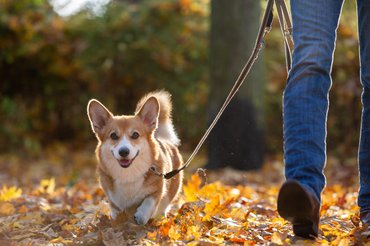
 Set WeloveDogz to appear first in Google search results!
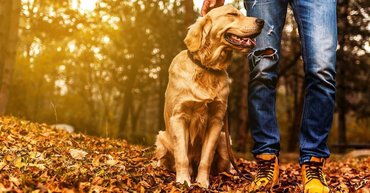
The golden autumn landscape can be one of the most beautiful settings for dog walks: crunchy leaves, fresh air, long, peaceful walks. At the same time, the changeability of the season also means more work for dog owners. Dirty paws, wet fur, shorter days, and increased wildlife activity are all factors that are worth preparing for. In our article, you can learn how to keep your four-legged friend healthy, safe, and happy in the fall.
Although most dogs do not need clothes in the fall because their fur regulates their body temperature, there are exceptions. Short-haired dogs with little undercoat, young, old, sick, or very small dogs may be more sensitive to the cold, so a light raincoat or sweater may be useful for them. It is also possible that their coat is not yet ready for cold, wet weather, and their immune system is particularly sensitive. It is important that the clothing is not too thick, as this will inhibit the natural development of the winter coat – so less is often more. A light raincoat keeps the coat dry, thus maintaining body temperature.
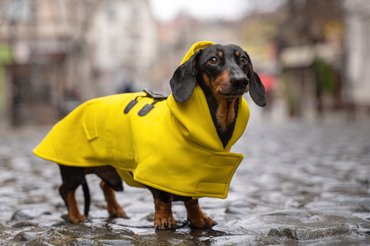
In rainy autumn weather, no paw stays dry, so it's worth preparing for dirt and moisture. But what can we do to keep our homes and cars clean and dry? We've put together a list of the most important things to do below:
At home:
Car:
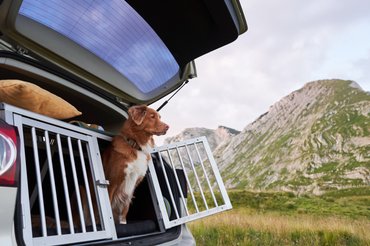
Visibility can save lives! We need to be extra careful in rainy, foggy, and dark weather, as these conditions significantly impair visibility. Reflectors should be worn not only by us, but also by our pets, even if they are on a leash; a dog that is not properly visible can be a danger and is itself in danger. That is why it is worth getting a light-up collar and leash, a reflective harness or coat. Away from the road, flashing lights ensure that you are seen in time.
It is not only in traffic that we need to be particularly careful; even a walk in the fresh air in the forest can carry risks. In some cases, there may be a danger from wildlife, especially if we go for a walk at dusk. Deer, rabbits and their companions move according to their own "sense of time" and appear more frequently during these periods. A dog that loves to hunt picks up scents more quickly in wet weather, so if we are not careful, it can quickly run away from us. To avoid this, it is worth replacing the normal leash with a longer tracking leash.
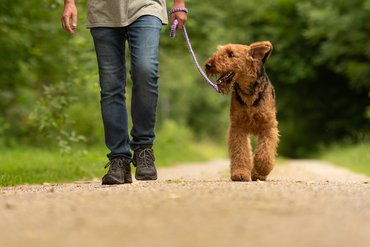
Some dogs like to chew on pine cones, acorns, and chestnuts, but other crops can also be tempting, which can cause digestive problems or poisoning in large quantities. In addition to poisoning, damage to the mouth, esophagus, or intestines can also be dangerous. For this reason, do not let your little friend snack at will during a trip to the forest.
In such cases, consult a veterinarian immediately. Attention! Don't forget about the usual protection against parasites and ticks.
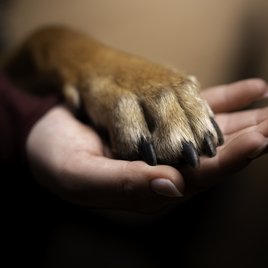
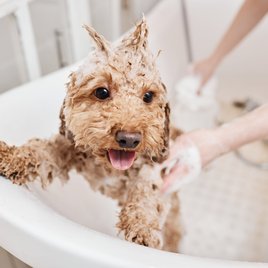
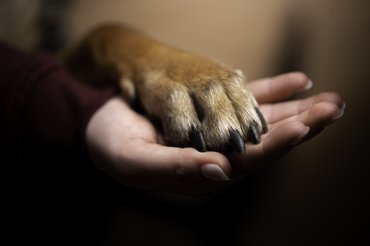
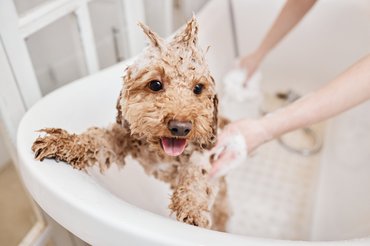
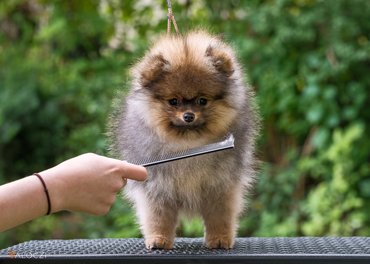
Although we have discussed this many times before, we will briefly mention autumn grooming here as well. In autumn, dogs' coats change for winter, which is accompanied by increased hair loss, so regular brushing is necessary. At this time, frequent bathing should be avoided in order to preserve the skin's natural protective layer. We also need to pay extra attention to the paws: they should be checked regularly, the claws should be trimmed short, and paw protection cream should be applied if necessary.
In autumn, when the weather turns bad and our pets can spend less time outside, it is important to keep them active indoors. Intelligence and search games, teaching new tricks, or even teaching them to do household chores are good ways to keep dogs mentally and physically active. Teach your little friend to turn the lights on and off or fetch the newspaper, so you can both stay active!
Follow us!
facebook instagram youtube spotify
Related articles