5 Small Dog Breeds Popular in Our Country That Are Ideal for Urban Lifestyle
Published: 2026. 03. 02. 07:30 -
- Photos: Getty Images Hungary; welovedogz.hu • 5 minutes readingPublished: 2026. 03. 02. 07:30 -
- Photos: Getty Images Hungary; welovedogz.hu • 5 minutes reading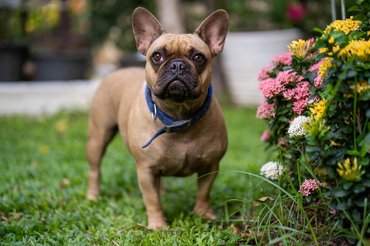
 Set WeloveDogz to appear first in Google search results!
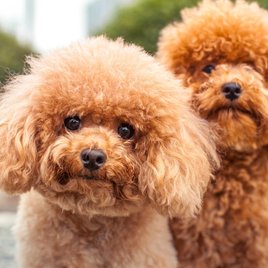
The popularity of small dogs in our country has been unbroken for years. One reason for this is that many people would like to keep a dog even in urban conditions, which compact, easily trainable dogs with a moderate activity level make easier to achieve.

According to Hungary’s most recent dog-keeping statistics, several small dog breeds also occupy a prominent place among the most popular dog breeds. And although in many cases it may indeed be easier with them, we must never forget that these four-legged ones also require thorough exercise and mental stimulation. What is more, just because a dog is smaller in size, we must not overlook behavioural patterns in them that we would not tolerate in the case of a large dog either.
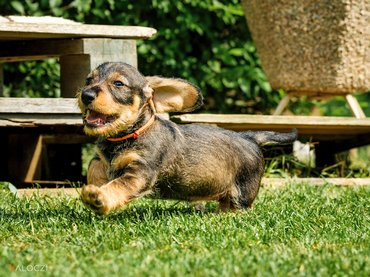
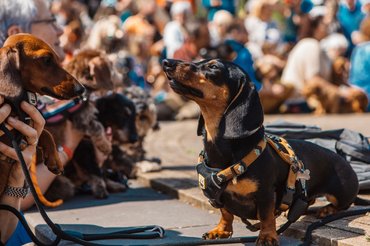
The history of the Dachshund goes back several hundred years; they were originally bred in Germany for badger hunting and for hunting other burrow-dwelling animals (for example martens, rabbits and foxes). Their long body and short legs do not only mean a special appearance but also a specific anatomical sensitivity: Dachshund owners know even when woken from their sleep that protecting their dog’s spine is of key importance.
A Dachshund is brave, independently minded and surprisingly persistent. As an independent thinker they may be prone to stubbornness, yet they are extremely attached. They exist in smooth, long-haired and wire-haired varieties, as well as in standard and miniature sizes. How popular this breed is in our country is shown by the fact that at the DOGZ pack walks of recent years Dachshunds were represented in such high numbers that in 2024 we organised a walk specifically for them. At the event 502 dogs took part, thereby breaking the Hungarian Dachshund record.
Who is it recommended for? An active, consistent owner who appreciates individuality and pays attention to spinal protection (minimising stair climbing and jumping).
Who is it not for? Without sufficiently consistent training, a Dachshund can easily take control over their family, which may make living together difficult.
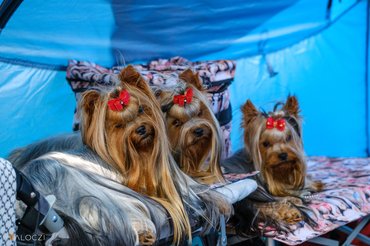
The Yorkshire Terrier originates from England, where they were originally used in textile mills and mines for rodent control. Today’s Yorkie, however, is primarily a companion dog, conquering with their elegant appearance and lively temperament. Their weight typically is around 3 kilograms, their coat is long and silky to the touch and requires regular grooming. They are intelligent, learn quickly, but require firm training. Surprisingly brave, they may sometimes display dominant behaviour, therefore consistency is a key issue with this breed as well.
Who is it recommended for? An owner who gladly engages with their dog, appreciates a lively, communicative nature, and does not shy away from regular grooming.
Who is it not for? Someone who desires a completely quiet, low-energy dog. In the case of the Yorkshire Terrier the assumption small dog, little attention is not true either.
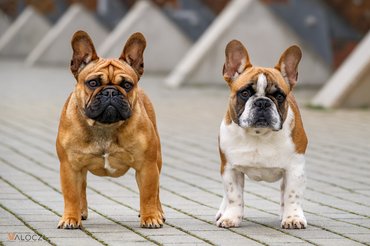
The French Bulldog has been one of the most popular breeds in recent years both abroad and in our country. Their stocky build, bat-like ears and characteristic facial expression make them instantly recognisable. They are distinctly human-centred and strongly attached to their family. Their need for exercise is moderate; at the same time they have a playful and cheerful nature. Because of their short nose they may be prone to respiratory difficulties, therefore purchasing from a responsible breeder and avoiding excessive exertion are particularly important.
Who is it recommended for? Those living in an urban environment, in flats, who would like an affectionate, balanced companion.
Who is it not for? Those leading an intensive sporting life, or those looking for a partner for long hikes.
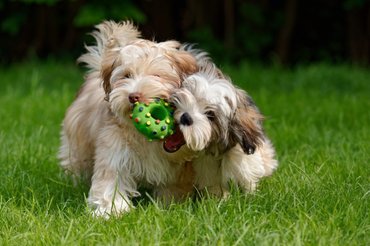
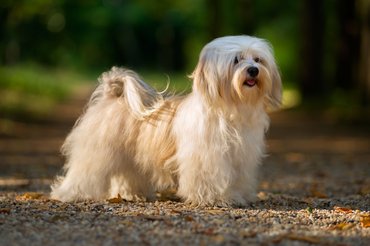
The Havanese belongs to the bichon-type dogs, and their origin is linked to Cuba. They are a particularly popular family dog, as they are balanced, kind and distinctly adaptable. Their coat is long and soft, growing like hair, and requires regular combing. They are outstandingly intelligent, easily trainable and respond well to positive reinforcement. They become strongly attached to their owner, therefore they may be prone to separation anxiety if they are not accustomed to being alone from an early age.
Who is it recommended for? A family or single owner who spends a lot of time at home and values emotional connection.
Who is it not for? A lifestyle in which the dog would spend 8–10 hours a day alone.
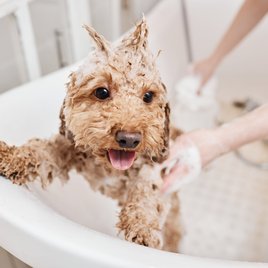
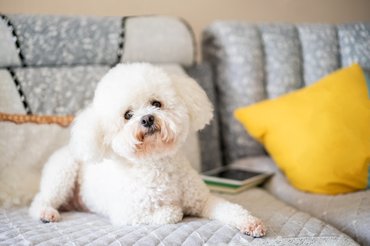
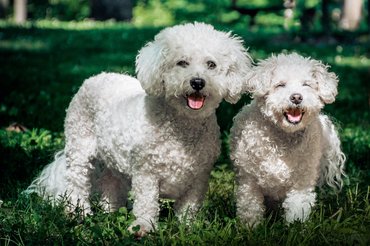
With their snow-white, curly coat, the Bichon Frisé is one of the most refined-looking small-bodied breeds. They are cheerful, sociable and generally get along well with other animals too. Their coat hardly sheds at all and grows like hair; at the same time it requires regular trimming and grooming care. Intelligent and easily motivated, they can be an excellent choice even for first-time dog owners.
Who is it recommended for? Those living in flats, leading a calmer lifestyle, and beginner owners.
Who is it not for? An owner who does not wish to visit a dog groomer regularly.
Small dogs can be ideal companions to the modern, urban lifestyle, but only if the choice is not made purely on an aesthetic basis. Selecting the appropriate breed is a question of lifestyle, time investment and commitment. Size is merely a piece of data; real compatibility lies in harmonising temperament and needs.
Follow us!
facebook instagram youtube spotify
Related articles