In this village, keeping dogs is forbidden – and the residents do follow the rule, for good reason
Published: 2026. 02. 02. 07:30 -
- Photos: Getty Images Hungary • 4 minutes readingPublished: 2026. 02. 02. 07:30 -
- Photos: Getty Images Hungary • 4 minutes reading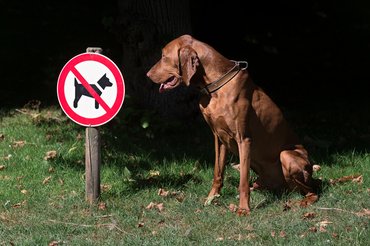
 Set WeloveDogz to appear first in Google search results!
The number of dogs kept as pets is steadily increasing worldwide. However, there is a place where these animals are not welcome. The reason for this radical decision is the protection of wildlife.

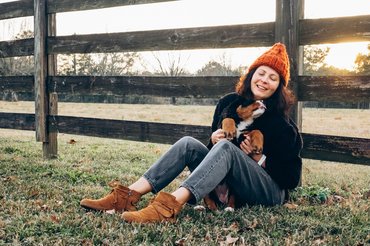
Dogs have been helping humans for thousands of years, and today one of their most important roles is to be loyal companions to their guardians and to brighten everyday life through their mere existence. Many of us can hardly imagine what it would be like to live in a place without dogs. One small Australian community, estimated to have nearly 500 residents, however, has a core principle that forbids its inhabitants from keeping pets – primarily meaning dogs and cats. According to their standpoint, this sacrifice is essential in order for their community to live in harmony with the local, natural wildlife.
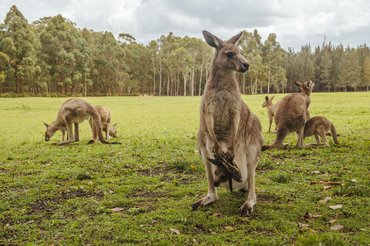
Currumbin is a coastal suburb of the city of Gold Coast (Queensland, Australia), and it is home to Currumbin Ecovillage. The ecovillage covers an area of approximately 1.2 km², nearly 80% of which is rainforest. Currumbin was founded by Chris Walton and his wife, Kerry Shepherd, with the aim of creating a sanctuary similar to a wildlife reserve for animals native to Australia, around 20 years ago. Part of the area was previously used for logging, and a dairy farm was also located here, but that is now a thing of the past. With the establishment of the ecovillage, reforestation of the area began, and the former milking shed is now a community space and library. The community places great emphasis on sustainable living, and new homes are also built with an environmentally friendly approach.
Bill Smart and his spouse moved to the ecovillage 13 years ago, and Smart spoke to The Guardian about life there. Smart found the term “solarpunk” to encapsulate everything that Currumbin Ecovillage represents: “A literary, artistic and social movement that envisions a sustainable future connected to nature and community, and works to make it a reality.” According to them, every resident of the ecovillage contributes to the functioning of the community, and those who live there come from a remarkably diverse range of backgrounds. Among them are pensioners, young families, journalists, composers, and even Buddhist monks. This diversity naturally comes with smaller or larger frictions at times, but for the sake of the shared goal, along shared interests, they are able to work together so that their place of residence operates in the most environmentally friendly and sustainable way possible.
As much as we love dogs, it is undeniable that when it comes to keeping them, there are several issues for which there is still no truly environmentally friendly solution. According to the residents of Currumbin Ecovillage, the environmental impact of dogs and cats is incompatible with the principles of their community – most notably with their aim to create a place where the needs of both people and nature are met. In their view, pets kept as a hobby do not fit into this vision – of course, service and assistance dogs do not fall into this category, so they are allowed to enter the ecovillage area, but “average” dogs and cats are not accepted even as visitors. “This, however, is the price we are willing to pay,” Smith told The Guardian.
Currumbin Ecovillage was conceived as a wildlife sanctuary and corridor for native Australian animals. A cat or dog may be another member of the family but they are also hungry carnivores, lethal predators and territorial animals that have significant environmental and climate impacts.
– they summarised.
According to Smith, the residents there accept and support this, partly because the community they have created and the wild animals roaming the surrounding area compensate them for the lack of pets. If we consider only how dangerous a free-roaming dog or cat can be to the local bird population, this decision is unfortunately indeed justified.
Follow us!
facebook instagram youtube spotify
Related articles