How Your Dog Can Live a Long Life – The Scientific Point Of View
Published: 2025. 11. 29. 07:30 -
- Photos: Getty Images Hungary; welovedogz.hu/en • 5 minutes readingPublished: 2025. 11. 29. 07:30 -
- Photos: Getty Images Hungary; welovedogz.hu/en • 5 minutes reading
 Set WeloveDogz to appear first in Google search results!
It may seem selfish, but almost every dog owner wants their dog to live as long as possible. While there is still no magic pill that promises eternal life, there are some easy practices that can extend the lifespan of your pet and improve its quality of life.

There are a lot of tips on social media these days that promise to help our four-legged friends live longer. But some of them are backed by science, while others are, let’s say, less well-researched and questionable. The following tips fall into the former category, and were shared with a National Geographic reporter by veterinarians from the Dog Aging Project. The scientists involved in the Dog Aging Project, in short, aim to learn more about the aging process – and that includes discovering the simple, everyday things that can extend the lifespan of our dogs, or at least mitigate the effects of genetics and the environment, thereby ensuring more quality years.

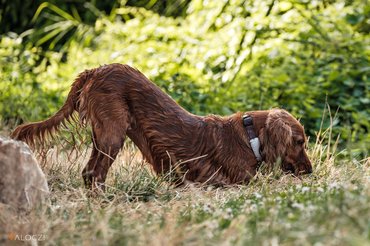
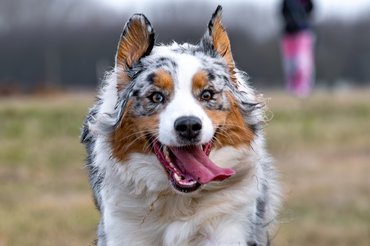
The first and most important thing to do is to exercise your pet regularly. We have covered this in several articles before, as the importance of exercise is not a new concept, but it is essential to elaborate on it now. Neglecting regular exercise can contribute to obesity, which is associated with a number of health problems - such as, but not limited to, diabetes, joint cartilage wear and tear, and respiratory failure. The latter two are particularly problematic, as they make it even more difficult to provide the right amount and quality of exercise to prevent overweight. Other benefits of consistent exercise include supporting cognitive health, which is also very important as your dog ages.
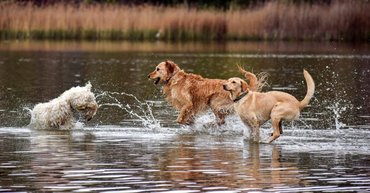
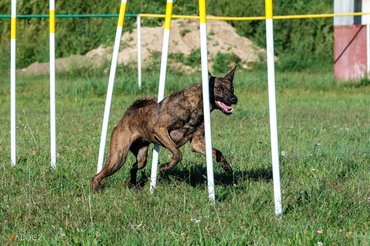
When it comes to regularity, we're not just talking about weekends. It's worth avoiding the "Weekend Warrior Syndrome", as it can increase the risk of injury. It's much more effective to exercise your pet consistently, preferably every day – this exercise, according to the most common recommendations, includes at least 30 minutes of aerobic activity. These are typically dynamic forms of exercise, so in the case of dogs, this can include running, brisk walking, hiking, agility, swimming, or even a good game of frisbee.
While these more dynamic forms of exercise can have more positive effects, the best choice will always be an activity that you and your dog can both do consistently. So in the long run, consistency is more important than intensity – and you don’t have to settle for just one. If variety helps you stay consistent, then there’s nothing wrong with that.
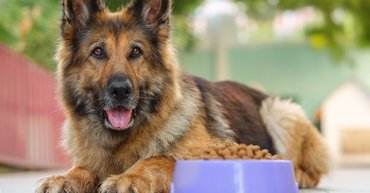
Just like with humans, a long and healthy life starts with regular exercise and a good quality diet. In recent years, there have been many competing trends in how to feed your pet – the current view is that there is no better or worse option as long as it contains the nutrients your dog needs, in the right amounts – and these factors can depend on factors such as your dog’s age, activity level and sometimes even breed. However, some options carry more risk factors than others and are more prone to errors. This is why many people prefer high-quality dry and wet foods.
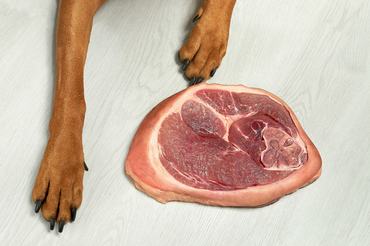
One of the most important factors in feeding is undoubtedly the amount: overfeeding can lead to obesity, which in addition to the negative effects mentioned above can also contribute to liver and kidney problems. In fact, it is also associated with a shorter lifespan.
Obesity has been linked to a life expectancy of up to 2.5 years, according to some estimates
– writes Julia Ries Wexler, National Geographic author.
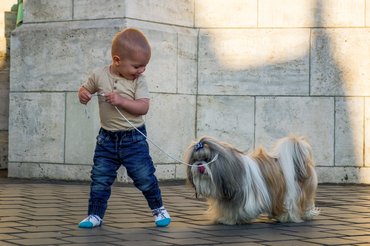
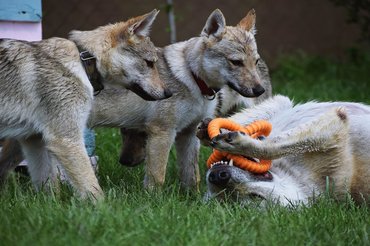
In the case of humans, the WHO has already reported on the important role social relationships play in maintaining health. There is increasing evidence that this is at least as important for dogs. Positive interactions with people or other pets can be protective factors against various health problems that impair quality of life.
Of course, we're not saying that you should get another dog right away, as there are many factors to consider when making such a decision. But if you have a friend who is also a dog owner, it might be worth organizing meetups where your dogs can play together. In fact, certain dog sports can also be suitable for creating such relationships.
It is recommended to supplement all this with the fact that a rich, stimulating (but not overstimulating) environment in itself has a positive effect on our pet's health - here we can think, for example, of providing safe toys, introducing frequent playtime, and enriching the environment.
Toothbrushing (the manual cleaning of dogs’ teeth) is a relatively new concept among dog owners, so many people think of it as a trendy “scrap.” This is not the case, and there is a lot of evidence to support the fact that proper dental care contributes to the health of dogs.
Dental disease can trigger inflammation in the body, cause life-threatening infections, and worsen pre-existing health conditions, such as heart disease
– summarizes Erik Olstad's words, Julia Ries Wexler.
This advice probably doesn't need to be overstated. By regularly taking your pet for a comprehensive veterinary check-up – at least once a year for young dogs, more often for older dogs, but at least every six months – we can "catch" any potential illnesses sooner, so treatment can be started earlier. In such cases, it is also worth taking care of the mandatory vaccinations and deworming, thus providing additional protection for your pet.
This procedure plays an important role not only in preventing unwanted litters. It reduces the risk of mammary tumors in female animals, and eliminates uterine and ovarian cancers. In addition, it can prevent testicular cancer in male dogs and reduce the risk of prostate problems.
Follow us!
facebook instagram youtube spotify
Related articles