What Happens In Your Dog’s Brain When You Talk To Them In A Baby Voice?
Published: 2025. 11. 03. 07:30 -
- Photos: Getty Images Hungary; welovedogz.hu • 3 minutes readingPublished: 2025. 11. 03. 07:30 -
- Photos: Getty Images Hungary; welovedogz.hu • 3 minutes reading
 Set WeloveDogz to appear first in Google search results!
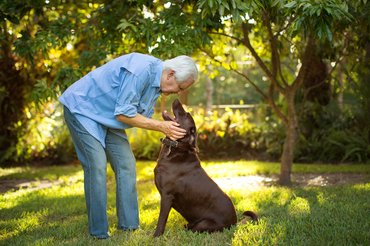
Many owners instinctively talk to their dog in a “baby voice”, which especially in the case of puppies strengthens the emotional bond with their human, since they associate the loving tone with attention, play and treats.

Owners regularly use cooing speech; however, few know that this method can actually strengthen the dog–owner relationship and the emotional attachment between them. The baby voice – that is, the use of a high, melodic pitch by dog owners – is not merely an endearing way of addressing them; according to experts, for four-legged ones it is an attention-catching and joyful experience.

A study published by researchers at the City University of New York showed that the attention and activity of puppies increase significantly when owners communicate with them in such a tone, while for adult dogs the effect is milder, but it still contributes to a positive social relationship. “Dogs often respond positively to a high-pitched, singsong tone of voice, especially when it comes to puppies, and there’s actually scientific evidence behind it.” explains Dr. Liza Cahn, veterinarian of Embrace Pet Insurance.
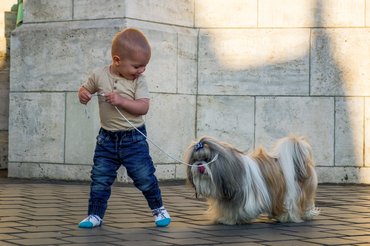
The speech directed towards our pets (pet-directed speech, PDS) is a specific form of human communication, which, similar to speech directed to infants (infant-directed speech, IDS), uses higher pitch and slower tempo. We often use this speech style with our four-legged ones, and although it seems instinctive, scientific research also supports its effectiveness. Dogs’ attention can be raised more easily with this tone, and results have also shown that it is a well-founded communicative tool that promotes the strengthening of the relationship with their human. Although cooing towards our furry friends differs from speech directed to infants, one thing is certain: we emphasise vowels less, and most often we adjust the pitch to the dog’s age.

The high, singing tone is attention-catching and inviting for them, while the loving tone conveys a sense of safety and positive emotions. According to Dr. Liza Cahn, the baby voice is often accompanied by attention, play, petting and treats, which further strengthen dogs’ positive associations. Although dogs primarily react to the manner of speech rather than the specific words, familiar expressions such as “walk”, “treat” or their name can have especially strong effects on them.
According to Crystal Litzenberger, veterinary assistant, when owners speak in a baby voice, it always expresses love and affection — something dogs crave the most. For example, the sound of the clicker used during training, or the rustle of the treat bag, can also be associated with positive experiences for them, as these are quite similar to the high tones humans use. Although dogs may not instinctively like the baby voice, they quickly associate it with positive emotions, and this association strengthens continuously throughout their lives.

Cahn emphasised that while many dogs enjoy the baby voice, it may also happen that some are not affected by it at all. We can use other forms of communication too, such as understanding the dog’s body language, teaching basic obedience commands, as well as play and gentle physical contact.
Hungarian research has shed light on the fact that dogs recognise the meaning of words — click here.
Follow us!
facebook instagram youtube spotify
Related articles