Dog Breeds Suitable for Apartments: The Biggest Myths It Is Time to Let Go Of
Published: 2026. 03. 16. 07:30 -
- Photos: Getty Images Hungary; welovedogz.hu • 5 minutes readingPublished: 2026. 03. 16. 07:30 -
- Photos: Getty Images Hungary; welovedogz.hu • 5 minutes reading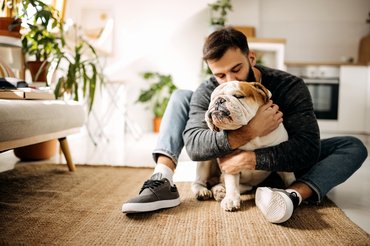
 Set WeloveDogz to appear first in Google search results!
The term “apartment dog” is one of the most commonly used – and most commonly misunderstood – concepts in dog ownership. Many people automatically place small breeds in this category, even though the reality is far more nuanced. It is time to debunk a few persistent myths.

First of all, let us make one thing clear: we do not want to discourage anyone from choosing their dream dog if they are truly committed to a particular breed. However, several misconceptions circulate around this topic, and we would like to clear them up and draw your attention to a few aspects worth considering.
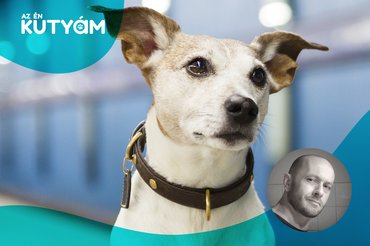
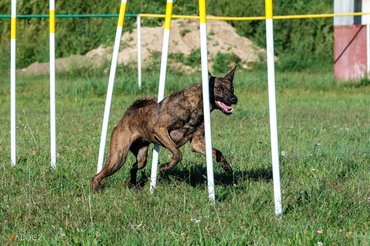
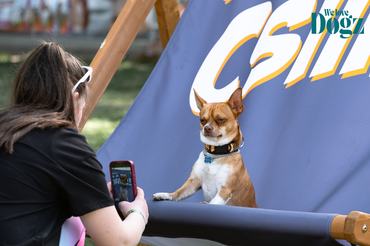
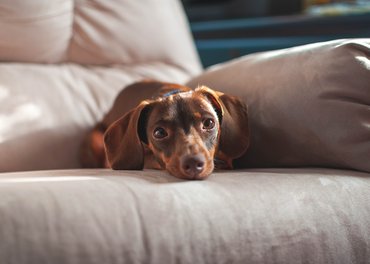
It is true that a small dog physically takes up less space, but they may still be highly active, noisy or have significant exercise needs. Whether a dog is well suited to living in an apartment is not determined by their height at the withers, but rather by their temperament, energy level, neurological stability and the breed’s original function. The Jack Russell Terrier or the much-loved Dachshund are classic examples. Both breeds have a hunting background and were bred for independent decision-making, with strong prey drive and a tendency to alert-bark. They can live in an apartment, but only if their owner provides sufficient mental and physical challenges on a daily basis. Otherwise, boredom can easily manifest in excessive barking or destructive behaviour.
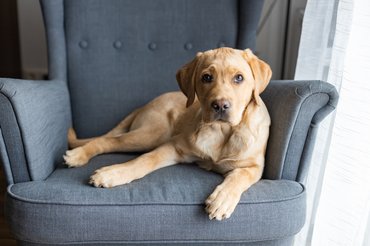
This may surprise you, but it is true: many larger breeds adapt particularly well to living in an apartment. The Greyhound, for example, becomes remarkably calm and relaxed after short bursts of intense exercise. Similarly, a properly exercised Labrador Retriever can live harmoniously in an apartment – provided they receive long walks and playtime every day. A well-exercised, mentally stable large dog often lives more harmoniously in a apartment than an under-stimulated, nervous small one. Size alone is therefore not a disqualifying factor. The real task is to match the dog’s energy level with the owner’s lifestyle.
Some breeds are naturally calm but may still face challenges in a block of flats. The Akita Inu, for example, is generally quiet and dignified, yet also strongly territorial, alert and reserved towards strangers. The constant coming and going in a stairwell can become a source of stress for them, which they may express through persistent barking – much to the annoyance of neighbours.
It is also worth noting here that for dogs living in apartment it is particularly important to keep barking within appropriate limits – not through punishment, but through proper training methods.
Generally speaking, balanced breeds bred primarily for companionship adapt most easily to apartment living. They are typically dogs with stable temperaments, people-oriented personalities and moderate energy levels. They are not excessively territorial and, with proper socialisation, cope well with urban stimuli. Of course, there are never absolute guarantees. Individual bloodlines, early socialisation and the owner’s consistency all play a decisive role in shaping a dog’s personality.
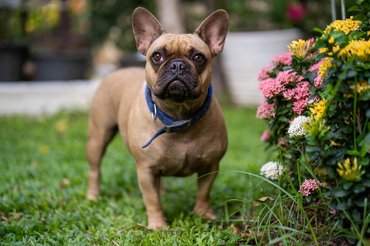
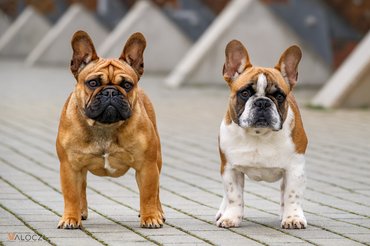
They are characterised by moderate exercise needs, low prey drive and strong attachment to their owner. They are an ideal companion dog and a good choice for urban environments. As with all brachycephalic (flat-faced) breeds, it is especially important to research carefully before choosing a puppy and thoroughly assess where they come from. Unfortunately, French Bulldogs are prone to several health problems, which conscientious breeders aim to screen out.
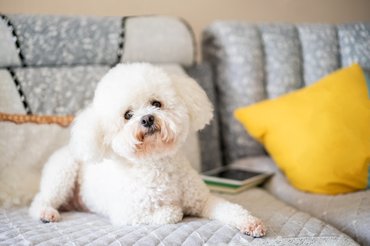
This balanced, easy-to-manage and not overly noisy dog was once a favourite of medieval aristocracy. Thanks to their stable temperament and cheerful, affectionate nature, they are a true family favourite and also a good choice for beginners. This little fluffy companion is intelligent and playful and thrives on attention and companionship. Because the Bichon Frisé sheds very little, they may also be a suitable choice for people with dog-hair allergies (although reactions should always be tested beforehand).
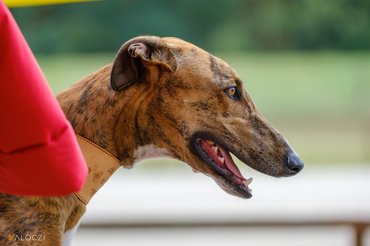
Many people are surprised to learn that Greyhounds may love lounging even more than sprinting, which makes them famously good apartment dogs. After short but intense exercise, they are particularly calm and happy to doze comfortably on the sofa. However, it is important to remember that Greyhounds have a fairly strong prey drive, so training remains very important in their case as well.
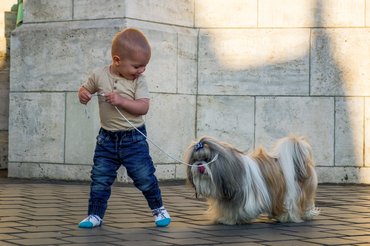
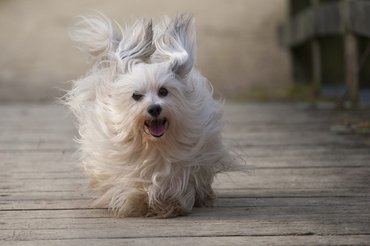
They are an adaptable, people-oriented and easily trainable dog. Although their long coat may make some people imagine a apartment covered in dog hair, the Bichon Havanese sheds very little because their coat grows much like human hair. They are highly intelligent and easy to train, which is fortunate because they may need training to adapt well to life in a block of flats, as they can sometimes be prone to barking. Fortunately, they can learn when it is appropriate to alert and when it is not.
This particularly gentle and balanced breed was once one of the favourite dogs of English nobility. With their playful, cheerful and affectionate nature, they easily win everyone over. Although they are active, they are not hyperactive and are not prone to excessive alert barking. However, they still need a daily walk.

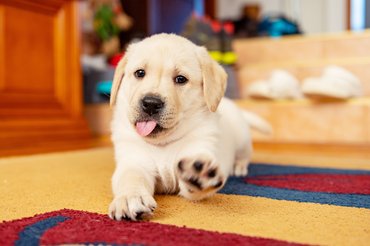
6.) Labrador Retriever
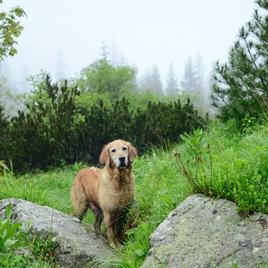
Kind, loving, helpful and easy to train – what more could you ask for? The critical factor is daily intensive exercise and sufficient mental stimulation. If you can dedicate enough time to these, the Labrador Retriever can be a wonderful companion even in a block of flats. Because of their friendly character, they are now most commonly kept as family pets, but they are an incredibly versatile breed and are still used for hunting in Hungary today.
Follow us!
facebook instagram youtube spotify
Related articles