8 Dog Breeds That Require a Jumper in The Cold Seasons: The Hairless Breeds Are Not on The List
Published: 2025. 10. 13. 07:30 -
- Photos: Getty Images Hungary; welovedogz.hu • 6 minutes readingPublished: 2025. 10. 13. 07:30 -
- Photos: Getty Images Hungary; welovedogz.hu • 6 minutes reading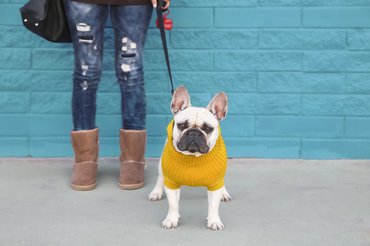
 Set WeloveDogz to appear first in Google search results!
When it comes to dog clothing, many people immediately think of hairless dogs, although they are relatively rare. Now we present breeds about whom few would think that indeed a bit of extra protection against the cold could also come in handy for them.

A dog’s fur generally provides natural protection against the cold, yet not every dog possesses thick, dense hair. For dogs that are:
clothing can be particularly important during the cooler months. A jumper provides an extra layer that protects them from the cold, from draught inside the home, as well as during winter walks.
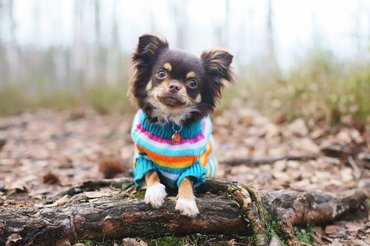
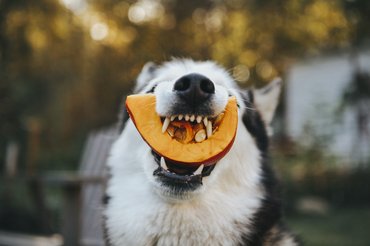
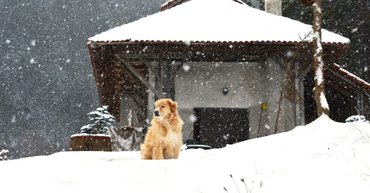
Different breeds have different needs regarding the wearing of jumpers. Generally, large-sized dogs with thick or double coats, such as the Alaskan Malamute, the Newfoundland, the Bernese Mountain Dog, the Saint Bernard or the Siberian Husky were given thick fur for protection against the cold. While other breeds, due to their natural characteristics, are less prepared. The proper clothing not only keeps them warm, but also enables our favourite to safely and comfortably enjoy outdoor play during the cool months.
1.) Short-Haired or Single-Layered Coated Ones: The short-haired or high-energy sporting dogs can cool down quickly during walks or play in the cold. Thus, protection against cold and moisture is very important for them, since without it they will feel cold.
2.) Small-Sized or Thin-Bodied Ones: Small-sized dogs cannot retain their body heat in wet, cool weather, therefore they cool down quickly, and being outside without proper clothing can become dangerous for them. The slender-bodied dogs, on the other hand, do not possess extra muscle and fat layers that would retain heat in the cold. The short-haired, slender breeds, for example, are particularly prone to heat loss if they do not wear a coat.
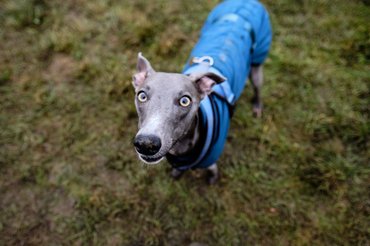
3.) Older, Chronically Ill or Very Young Ones: For every breed, dogs struggling with health problems (for example joint inflammation) are more sensitive to the cold, so wearing proper warm clothing can be especially useful for them. If we are uncertain, we should consult the veterinarian.
4.) Low-Bodied Ones:
The short-legged, furry ones often struggle with the cold, since their bellies easily come into contact with wet or snowy ground in winter, which can soak through them. Even for the thicker-coated, low-bodied dogs, a coat can be advantageous for extra protection.
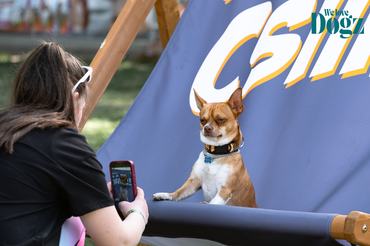
Chihuahuas are long-lived dogs, they can be companions to their loving owners for up to 18 years. They are famous for their one-person nature: they gladly cuddle up to their favourite human, and in case of danger or a threatened situation they bravely protect them. Being a small and toy-sized breed, whether short-haired or long-haired variety, warm clothing is advisable for them. They are particularly sensitive to temperature fluctuations: neither blazing sun nor cold benefits their small body.
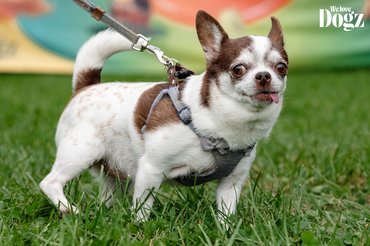
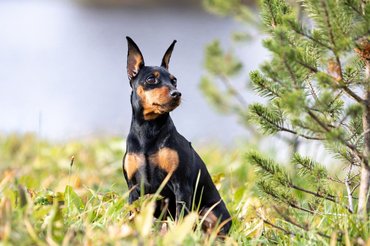
The proud, fearless little one’s confidence and grace captivate many hearts. The miniature pinscher is by no means a mummy’s boy, let no one be deceived by their size — if there is trouble, they immediately alert their owner. They also belong to the small and toy breeds; their coat is without undercoat, short, dense, shiny and close-fitting. Small body and thin legs characterise them, due to which they retain body heat more poorly, thus are prone to feeling cold in cold weather. Dear owner, bring out the jumper!
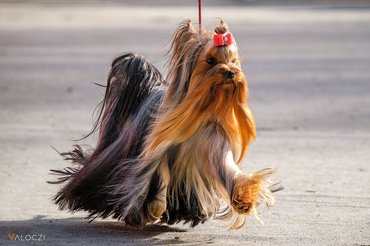
Yorkies have a spirited temperament, they like running and rolling around in the garden, and have very firm opinions about who they actually are. They are very attached to their owner, and their behaviour towards strangers varies. This breed is perfectly unsuitable for outdoor keeping, which stems precisely from the structure of their hair. Their hair resembles human hair, and the lack of undercoat does not protect the dog either from cold or from hot weather. So, jumpers and coats on!
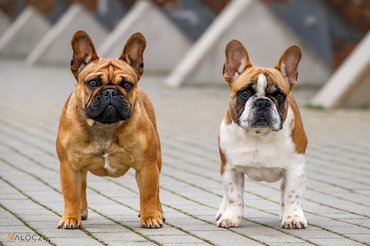
The French Bulldog is a wonderful family favourite that has perfectly adapted to city life. It is an ideal first dog, since it does not have large needs; all that is sufficient for them is their owner’s love and, of course, proper training. Short, silky hair, low stature and short legs characterise them. They have no undercoat or only a very minimal one, so it does not provide significant thermal insulation. In cold weather, it is worth putting a jumper or coat on them, so their belly does not easily get cold.
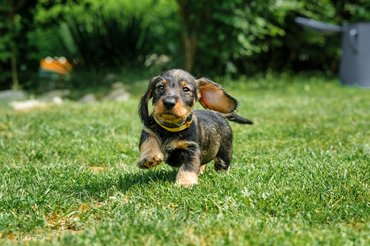
Alongside their charming nature, their bravery and boldness are exemplary. Their short, muscular legs paired with their long body are truly adorable, yet function excellently during hunting. The dachshunds’ coat varies depending on the type. Short-haired dachshunds have no undercoat, thus they are sensitive to cold, therefore, for them, a coat is particularly important in cold weather. The wire-haired dachshunds have a coarse topcoat, under which there is a dense undercoat that protects them better against cold, while long-haired dachshunds have long, silky hair, and the amount of their undercoat varies. Overall, dachshunds’ cold tolerance and clothing needs depend on their coat type. However, due to their low build, in cold weather warm clothing is recommended for all of them.
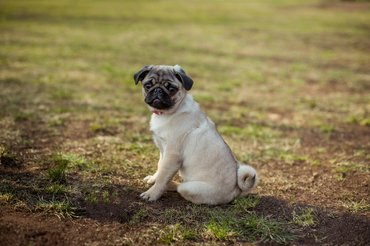
This small compact bundle of love is an ideal companion for almost any dog lover. They adapt very well to every lifestyle, and with their kind nature easily adjust to humans and other animals alike. The pug has short, dense and smooth hair, as well as an undercoat which is not too thick. This layer helps to some extent with insulation, yet pugs are also sensitive to cold and wind, so in the colder months wearing a coat is recommended for them.
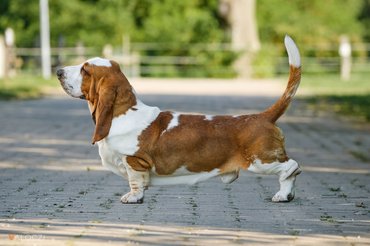
The Basset Hound is a truly cheerful little clown, who can wrap anyone around their paw with their sad eyes and drooping silky ears. They are truly devoted, playful, at times headstrong dogs. Their sense of smell is outstanding even among hunting dogs; they are extremely talented scent trackers who, despite their build, are very persistent. This breed has short, dense hair, with a well-developed undercoat, which protects somewhat against the cold. However, in cold or wet weather, wearing a coat is advisable, since their long body and short legs can easily get soaked through.
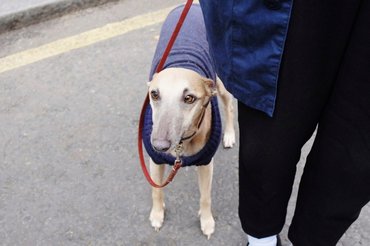
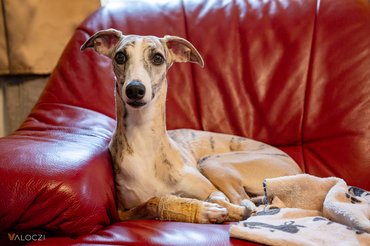
The greyhounds generally possess incredible endurance. Despite their speed, they are not hyperactive, thus they can be ideal family pets. They do not require particularly active owners — a family leading an average lifestyle is also perfect for them. The slender-bodied greyhounds’ coat is mostly short, fine and smooth, their undercoat minimal or entirely lacking. For the long-haired breeds, such as the Afghan Hound, the situation is similar, thus in cold, windy or wet weather, wearing a coat is indispensable for them for comfort and the preservation of body heat.
Follow us!
facebook instagram youtube spotify
Related articles