This is How Your Stressful Lifestyle Affects Your Dog's Health
Published: 2025. 10. 04. 07:30 -
- Photos: welovedogz.hu/en • 4 minutes readingPublished: 2025. 10. 04. 07:30 -
- Photos: welovedogz.hu/en • 4 minutes reading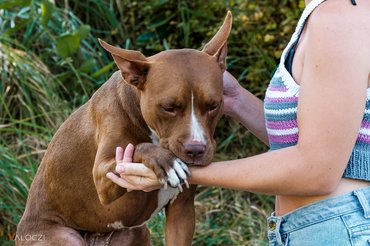
 Set WeloveDogz to appear first in Google search results!
Stress is unhealthy in many ways, it's common knowledge today, but we don't talk about the fact that a stressed owner also affects the health of the dog. We've compiled a list of the negative consequences this condition can have on the animal.

As a pet owner, it is important to be aware that chronic stress is not only harmful to your own health, but also to your pet, who senses your every little movement with their sensitive receptors and tends to pick up on your mood.
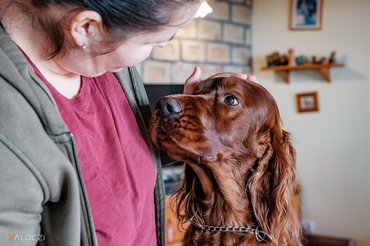
Stress and anxiety affect our hormone balance, so in a state of stress, other hormones – primarily cortisol, which is often referred to as the stress hormone – start to be produced. And there is a trace of this in your sweat, so your sensitive-nosed companion can literally smell it if there is a problem. Just as your breath changes as a result of your emotional state, just think that in a stressful situation your mouth often dries up. Your pulse also increases, which leads to increased sweating, and of course, under the influence of the stressor, you usually become more nervous, irritable, and impatient. This change in behavior is also manifested in your gestures and facial expressions, which are also difficult to hide from our companions.
Your tone of voice will also change, you will often become louder, you may even shout or lash out, which will have an alarming effect on the animal.
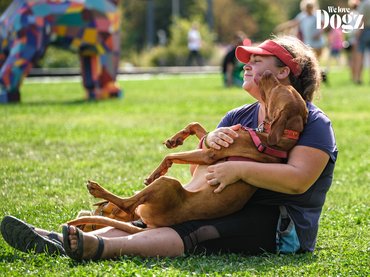
If your pet senses that something is wrong with you, it will automatically start to feel anxious, which can manifest itself in similar symptoms in its case: restlessness, increased heartbeat, impatience. Furthermore, the condition also affects the dog's hormones.
Long-term stress can affect the animal's sleep cycle, eating and bowel movements, as well as its mood and activity rhythm: at this time, many dogs become more enervated, listless, and passive, but overexcitement and ferocity can also appear as symptoms.
Passivity, like overexertion, is not healthy in the long run, as is inadequate sleep and nutrition, which over time can lead to various health complaints and diseases. As in humans, animals also have an increased risk of developing tumors, digestive difficulties, and various mental problems such as depression, to name just a few of the alarming possible consequences.
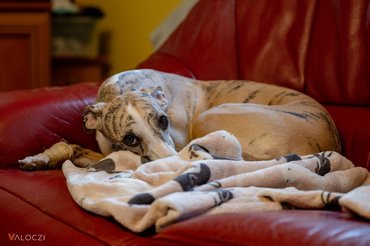
In addition, your stressful lifestyle can also affect your daily routine: in a hectic everyday life, walks are missed, they are shorter, their mood is not as explosive, the owner does not have the time and energy to deal with the dog, and they themselves are listless and weak; these things take a toll on the animal.
With all this in mind, it is clear that reducing and properly managing everyday stress is essential for both yourself and your pet - because no matter how much we want to, unfortunately we cannot reduce the stressful situations in our lives to zero.
The most important thing is to learn to recognize when you are “stressed out” in a situation; this is half the battle. If you notice the signs in yourself, you can react to them sooner. There are many stress-relief techniques, such as breathing or movement exercises, but imagination can also help you remove yourself from a given situation. The safest thing to do is to find and master the one that is most suitable for you with the help of a professional – psychologist, coach, etc.
Exercise can also help a lot, so if you have the opportunity, go outside for some fresh air, take a walk. If you feel like you're up for it, take your dog with you, clear your head, and then play a little.
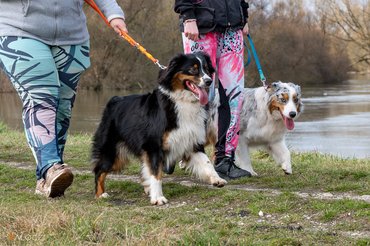
If you feel that this is not possible and that it is "getting on your nerves", then the most you can do for your pet is to physically distance yourself from it: leave the room, but even better, leave the apartment, so that you do not pass on your mood to it. Since our pets are extremely sensitive, no matter how hard you try to appear cheerful, a forced smile will not cover the storm raging inside you, and your dog will sense that something is wrong. It is especially harmful if you hit, shout, or rage in its presence. This can scare it, which will also have a negative impact on your relationship.
Once you've calmed down a bit, go back to your dog, pet it, play with it for at least a short while, or if you can, take it for a walk so your friend feels that the world is back in order.
Follow us!
facebook instagram youtube spotify
Related articles