Does A Dry Nose Really Indicate That The Dog Is Sick?
Published: 2025. 11. 23. 07:30 -
- Photos: welovedogz.hu/en • 3 minutes readingPublished: 2025. 11. 23. 07:30 -
- Photos: welovedogz.hu/en • 3 minutes reading
 Set WeloveDogz to appear first in Google search results!
With the arrival of cold weather, owners may once again experience that their pet's nose is drier than usual.

The following will discuss what can cause a dry nose in dogs, when the condition may indicate illness, and how to combat it.
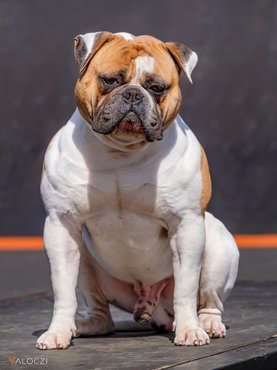
When a veterinarian examines a dog, the dryness or moisture of the nose plays a very small role in making a diagnosis. And for good reason. Many dogs have dry noses simply because they lick less, and brachycephalic breeds, or those with flat noses, are more likely to have dry noses due to their physical characteristics. But can a dry, warm nose still be a problem? Yes, if a dog has a fever, for example, their nose can be dry and warm, just as it can be wet and runny. This example shows that a dry nose alone does not tell you anything.
While dehydration and loss of appetite—both signs of illness—can also dry out the nose, exposure to sunlight, low humidity, strong winds, the contrast of cold outside and warm inside air, as well as advancing age, can also dehydrate this sensitive sensory organ.
Again, a dry nose is not necessarily a problem, and a wet nose is not always an indicator of good health.
If your pet is lethargic, seems warmer than usual, licks their nose too often, sneezes, coughs, doesn't eat, has diarrhea, or vomits, make an appointment with your vet immediately!
However, it is important to address the conditions that can actually cause a dry nose in the long term. For example, autoimmune disorders such as lupus or pemphigus can change the skin of the nose, leading to dryness, cracking, and even bleeding. Autoimmune diseases are diagnosed with blood and urine tests, as well as a nasal biopsy.
Severe allergic reactions – such as to pollen, mold, or food – can cause redness and swelling on the nose, which can cause the dog to rub or scratch its face excessively, which can also result in a dry nose. In the case of the aforementioned brachycephalic dogs, hyperkeratosis, or overproduction of keratin, is also a relatively common problem.
To treat the condition, you first need to find the cause. For example, if your pet becomes slightly dehydrated after strenuous exercise and then recovers after drinking, or if a dry nose experienced after sleeping regenerates, meaning it becomes moist again on its own after waking up, there is no need to worry. However, if your pet also experiences the symptoms described above, or if you notice that their nose is persistently dry, make an appointment with your veterinarian!
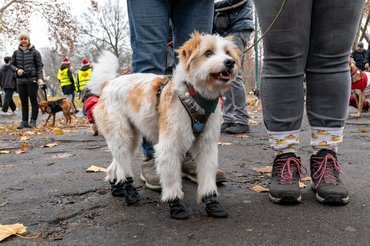
If your pet has a chronically dry nose—which can be really uncomfortable for your pet—ask your vet for a prescription nasal cream. Since dogs lick their noses, the product you use should be safe if swallowed. Most over-the-counter or drugstore nasal creams are not safe for dogs due to the risk of swallowing, so they should not be used unless specifically recommended by your vet.
If you want to protect your pet's nose from the elements in cold weather, you can apply a small amount of unrefined, 100% pure organic coconut oil, or better yet, 100% pure, organic, unrefined shea butter. These are generally safe for dogs in small amounts, even if licked, and are effective moisturizers. However, it's best to consult your veterinarian and follow their advice when choosing the right care product.
Follow us!
facebook instagram youtube spotify
Related articles