New Year's Resolutions for Every Dog Owner: Make 2026 Your Dog's Best Year Yet
Published: 2026. 01. 03. 07:30 -
- Photos: Getty Images Hungary • 4 minutes readingPublished: 2026. 01. 03. 07:30 -
- Photos: Getty Images Hungary • 4 minutes reading
 Set WeloveDogz to appear first in Google search results!
Even small changes can make your everyday life together much more comfortable. And if you're looking for inspiration for your New Year's resolutions, we can help!

If your New Year's resolutions are guided by your pet's health and well-being, you've already done a lot. There's no need for huge changes, as most animal-centered resolutions consist of small but significant steps that add up to a healthier, happier, and more fulfilling life for our furry friends. Below, we've put together a few simple, sustainable resolutions that will not only bring positive changes to your home, but also help you form an even closer bond with your four-legged friend.

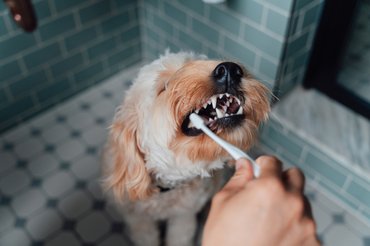
The new year is an excellent time to book your pet's annual or semi-annual veterinary checkup, make an appointment for tartar removal, or check that their parasite protection is up to date. Regular veterinary check-ups can help detect developing health problems early on, while keeping vaccinations and parasite protection up to date can prevent diseases and infections. However, it is very important to supplement veterinary visits with daily care, such as regular dental care at home, regular body checks, high-quality food, and plenty of physical and mental stimulation.
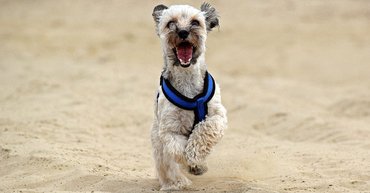
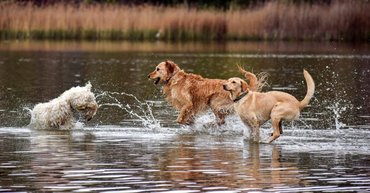
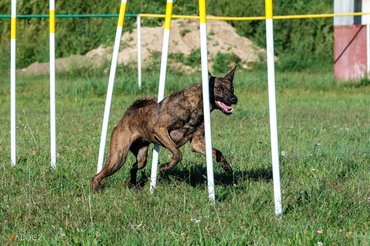
Exercise is essential for the physical and mental health of our four-legged friends. You know your pet best, so it is important to provide them with exercise that suits their needs, age, and health, which could be dog sports, hiking, walking, playing ball, fetching, or swimming.
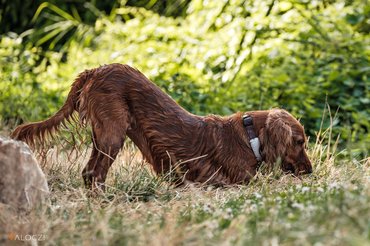
Exercise and mental stimulation go hand in hand. Quality activities not only keep your dog busy, but also encourage natural behavior. Learning tricks, scent mats or scent work, food puzzles, or logic games all stimulate brain function. When a dog encounters mental challenges more often, they are less likely to become shy, stressed, or anxious.

Proper nutrition is the foundation of good health. Choose food that takes into account your pet's age, activity level, and health status. If you are unsure, consult your veterinarian.
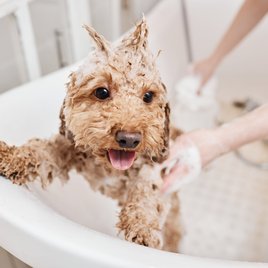
Regular grooming is not just a matter of aesthetics, but one of the cornerstones of health and well-being. Take plenty of time to clean and maintain your pet's teeth and coat according to their individual needs, trim their claws, and keep their eyes and ears clean. Of course, the goal is to make your pet more comfortable, but if you pay attention to these things, your home and environment will also be better cared for.
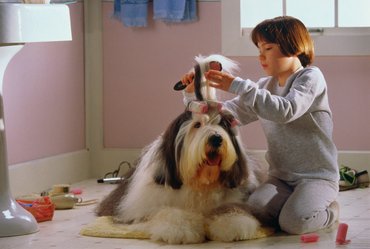
Accidents can happen anywhere, as can sudden, unexpected events. You will be much less likely to panic if you have a plan and know where to turn in such situations. We recommend that you take out pet insurance and put together a separate small bag containing your pet's documents. In fact, we would go even further and suggest putting together a first aid kit for your dog.
A safe environment is an essential part of responsible pet ownership. That's why it's worth checking your home for any toxic foods, small objects, or anything else that could be accessible and pose a choking or accident hazard. Be sure to provide your dog with at least one bed or crate where it can retreat when it needs some peace and quiet.
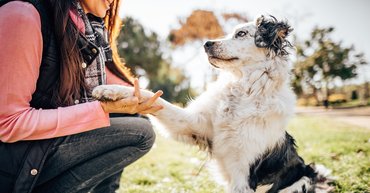
Almost without exception, every dog and every dog owner can benefit from going to dog training classes or a trainer. These opportunities are not only good when there is an existing problem to solve. With their help, we can learn a lot about our pets and ourselves, making living together much easier and more fulfilling.
Older animals require special attention, so try to make their daily lives easier with orthopedic mattresses, ramps, age-appropriate food, and dietary supplements if necessary. It is a good idea to take senior pets to the vet for a routine check-up every six months, as age-related diseases such as joint problems, dental problems, and cognitive decline are more common in dogs over 6-8 years of age. Despite the slowdown, mental and emotional activity remains important: gentle play and light walks are essential in their case.
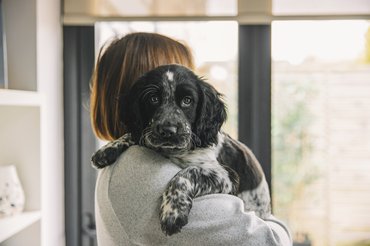
Your pet cannot tell you when something is wrong, so it is up to you to notice and act on their behalf. Whether it's a vet visit, a dietary issue, or a behavioral problem, don't be afraid to ask questions and trust your instincts! Pet owners are usually the first to notice when their furry friend is not quite themselves.
Follow us!
facebook instagram youtube spotify
Related articles