Your Dog May Also Have Wolf DNA: Even If You Are the Owner of a Chihuahua
Published: 2025. 12. 29. 07:30 -
- Photos: Getty Images Hungary • 4 minutes readingPublished: 2025. 12. 29. 07:30 -
- Photos: Getty Images Hungary • 4 minutes reading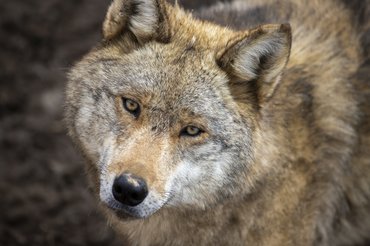
 Set WeloveDogz to appear first in Google search results!
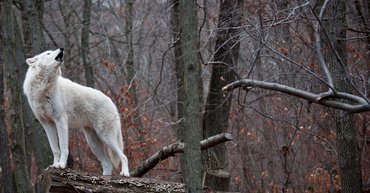
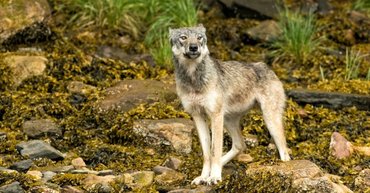
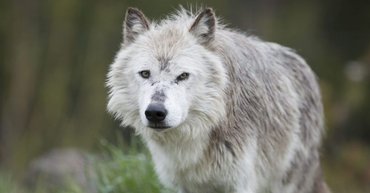
According to a new study examining several thousand genomes, the wolf ancestor can be detected in two thirds of today’s dog breeds. Not only wolfdogs or northern working dogs are affected: even the Chihuahua carries a small amount of wolf-like genetic heritage.

We usually know the history of the domestication of dogs as the beginning of an ancient friendship between humans and wolves. In a new, comprehensive genetic study, experts analysed the genomes of nearly 2,700 dogs and wolves from the end of the Ice Age to the present day, and it was revealed that in most modern dog breeds approximately 2,600-year-old wolf DNA can also be found. This heritage may influence many of their traits: not only appearance, but certain behavioural characteristics as well. It was also established that in friendly breeds the genetic influence of wolves is present to a lesser extent, while in more independent or more distrustful breeds it appears more strongly.
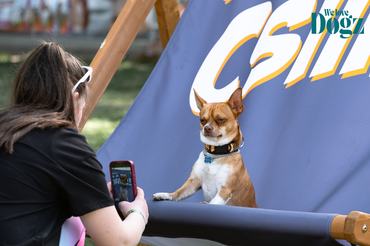
According to the research, wolf-derived DNA can be detected in approximately two thirds of modern dog breeds, originating from crossbreeding that occurred over the past few thousand years, rather than from the time of domestication. Even small-bodied breeds, such as Chihuahuas, also carry a small amount of wolf-like heritage. According to experts, this genetic influence affects certain traits, such as size, as well as behavioural characteristics.
Dogs are our buddies, but apparently wolves have been a big part of shaping them into the companions we know and love today,
– explains Logan Kistler, archaeobotanical and archaeogenomic curator of the Smithsonian National Museum of Natural History.
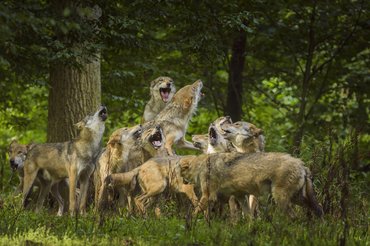
The genetic paths of dogs and wolves diverged more than 20,000 years ago, but interspecies compatibility made later gene flow, that is, mixing, possible. In the research, the genomes of 2,700 dogs and wolves – including 146 ancient, 1,872 modern, and approximately 300 village dogs – were examined from the Late Pleistocene to the present day. Based on the analysis, gene segments originating from wolf ancestors can be found in at least 264 modern dog breeds, which entered the gene pool approximately 900 dog generations ago. The most wolf-like breeds may carry up to 40% of this DNA, while in most breeds its proportion is between 0–5%.
Prior to this study, the leading science seemed to suggest that in order for a dog to be a dog, there can't be very much wolf DNA present, if any," study co-author Audrey Lin, an evolutionary biologist at the American Museum of Natural History in New York City, said in the statement. "But we found if you look very closely in modern dog genomes, wolf is there. This suggests that dog genomes can "tolerate" wolf DNA up to an unknown level and still remain the dogs we know and love.
– highlighted Audrey Lin, evolutionary biologist at the American Museum of Natural History in New York.
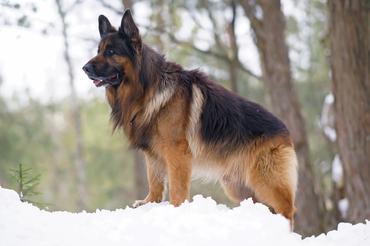
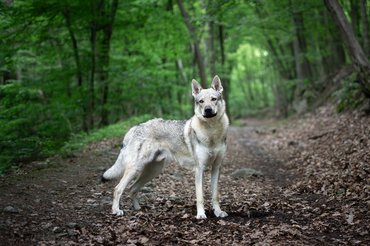
The highest proportion of wolf DNA was found in the genomes of the Czechoslovakian Wolfdog and the Saarloos Wolfdog, which is not surprising, as they were specifically bred through dog–wolf crossbreeding in the 20th century. In addition, larger-bodied breeds and certain working dogs, such as northern sled dogs, hunting dogs, and Central Asian livestock guardian dogs, including the Anatolian Shepherd Dog, also possess a higher level of wolf ancestry.
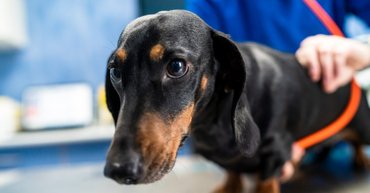
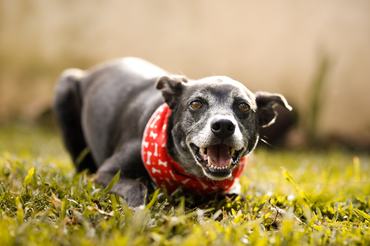
Although many large livestock guardian dogs have a high proportion of wolf DNA, for example the Bullmastiff and the Saint Bernard do not carry it at all. At the same time, some smaller-bodied breeds, such as the Chihuahua, preserve wolf genes in a minimal amount, in 0.2% of their genome.
In the third group involved in the study, the nearly 300 village dogs, wolf genes were found in every individual, which was explained by a survival advantage. They inherited genes responsible for scent, which according to scientists may have helped them survive under harsh, changing environmental conditions.
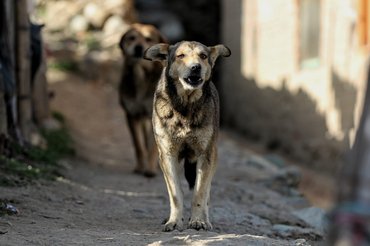
From the standards describing the temperament of certain dog breeds, connections related to wolf genes can also be identified: breeds carrying little wolf heritage are often described as friendly, easy to train, or lively, while those with high wolf DNA are defined as distrustful of strangers, independent, or dignified. However, whether the genetic stock of wolves is responsible for these traits is not yet known.
Speaking of wolves, click here to see some beautiful photos of a wolf and a bear.
Follow us!
facebook instagram youtube spotify
Related articles