10 Dog Breeds With Webbed Paws
Published: 2025. 08. 16. 10:53 -
- Photos: Getty Images Hungary; welovedogz.hu/en • 4 minutes readingPublished: 2025. 08. 16. 10:53 -
- Photos: Getty Images Hungary; welovedogz.hu/en • 4 minutes reading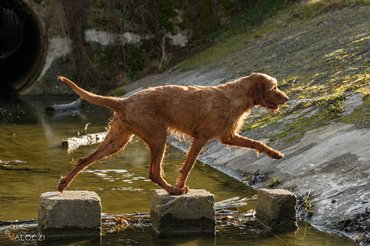
 Set WeloveDogz to appear first in Google search results!
It can be said that all dog breeds have webbed tissue between their toes, but there are breeds in which this is a particularly dominant trait, as dogs were used in areas where this was necessary.

Below, we list 10 breeds of dogs with webbed paws, without claiming to be exhaustive, and of course we will also discuss why this trait is useful.
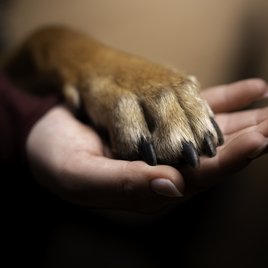
As mentioned in the introduction, webbed paws are not unique to certain breeds; most dogs have some tissue between their toes, just as we have between our fingers. Dog paws have evolved so that each part has its own function. The pads protect the feet and provide traction when walking, the claws help with climbing and digging, and the webbed feet provide stability when moving in wet, swampy areas and help with swimming.
Although most dogs have some webbing between their toes, certain breeds have particularly well-developed webbing because it has adapted to their specific tasks. These are usually water dog breeds, but it should be noted that not all dogs with webbed feet use this ability for swimming, as in addition to the above, it also helps them dig and hunt for prey underground.
The webbing is nothing more than thick connective tissue that connects the toes. It can cover almost the entire sole of the foot, but it can also appear only at the base of the toes—its extent often depends on how much time the animal spends in water. Some of the best-known examples of animals with webbed feet are ducks, frogs, otters, beavers, and flamingos.
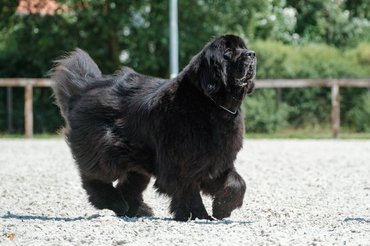
The Newfoundland is a huge, calm water dog that was originally bred to help fishermen. Its paws have thick, almost complete webbed feet that function like fins in the water. It is no coincidence that the breed is famous for its lifesaving abilities.
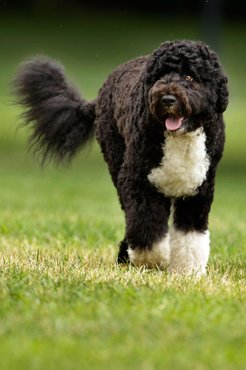
The Portuguese Water Dog assisted fishermen along the Atlantic coast by working alongside nets and boats, as well as delivering messages. Its paws are almost entirely webbed, enabling it to swim quickly and powerfully. The breed's adaptation to water is evident in every detail.
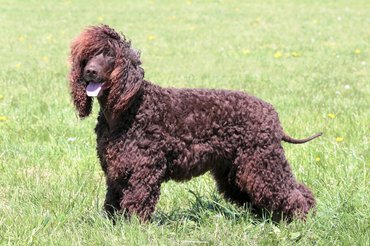
This rare spaniel breed is a master of water hunting, bred to adapt to Ireland's marshy and lake-filled countryside. The skin on its paws is fused along almost the entire length of its toes, making it a particularly effective swimmer. Its curly, water-repellent coat is also adapted to life in the water.
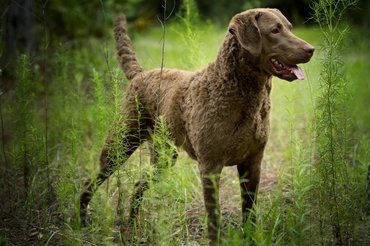
The Chesapeake Bay Retriever was bred for hunting in cold, stormy waters on the east coast of the United States. Its paws have thick, well-developed webbing, which helps it move powerfully in icy water. Its thick, oily coat was also developed for working in water.
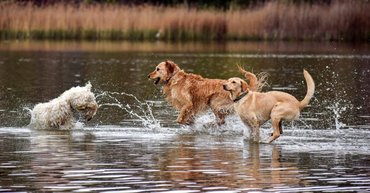
Labradors were bred to assist hunters, their main task being to retrieve shot game from the water. Their paws are partially webbed, which is sufficient for fast, powerful paddling. This practical trait has made them one of the best water retrievers.
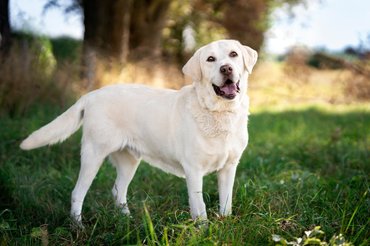
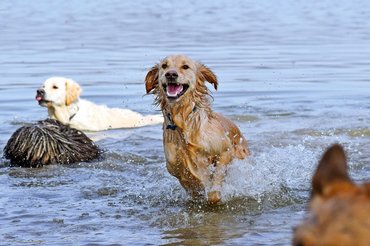
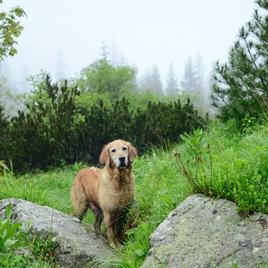
The Golden Retriever was bred by Scottish hunters to retrieve shot birds from water, i.e. to fetch. Their paws have moderately developed webbed toes, which help them swim steadily. Due to their extremely friendly nature, they have become popular not only as hunting dogs but also as family pets.
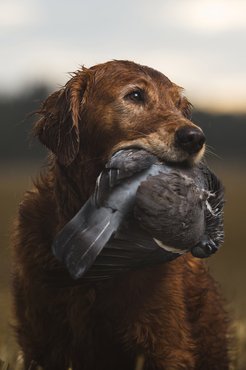
The Otterhound was bred in England to track otters in rivers and lakes. Its large, broad paws are partially webbed, which makes it easier to swim long distances. This rare breed is a specialist in water tracking.
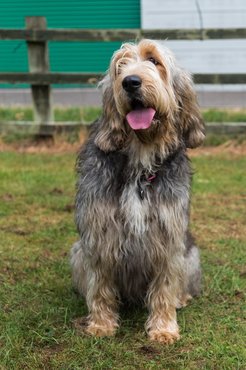
The Short-haired Hungarian Vizsla has been bred here in the Carpathian Basin for hundreds of years to be used for both waterfowl and field hunting. Later, to make the breed even more resistant to harsh conditions, the Wire-haired version was created with the addition of German Shorthaired Pointers. Later, to make the breed even more resistant to harsh conditions, the wire-haired variety was created by introducing German Pointers. Both breeds have partially webbed feet: there is a tight fold of skin between the toes, which helps them swim quietly and persistently in lakes and marshy areas alike. This practical feature complements the breed's speed and intelligence, which is why many hunters still favor them today.
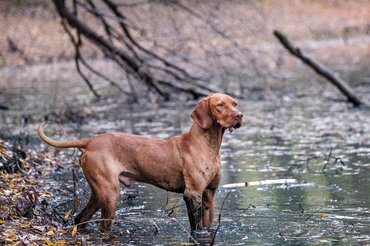
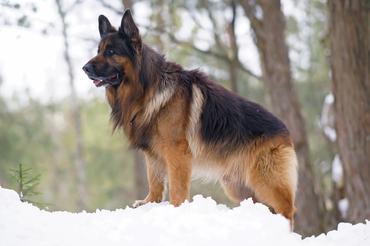
The German Pointer is a versatile hunting dog whose primary task was retrieving, i.e., bringing back game from both water and land. Its paws have moderately developed webbing, which is sufficient for quiet, persistent swimming.
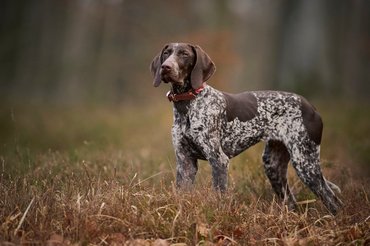
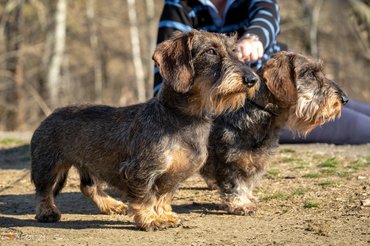
The Dachshund was bred mainly for underground hunting and for chasing out foxes and badgers. Its paws have a slight webbing, which helps it to move steadily when digging, but also proves useful on wet, marshy ground. This small detail shows how functional this breed is.
Follow us!
facebook instagram youtube spotify
Related articles