What Should We Do If Our Dog Eats Chocolate?
Published: 2025. 08. 24. 07:30 -
- Photos: Getty Images Hungary • 4 minutes readingPublished: 2025. 08. 24. 07:30 -
- Photos: Getty Images Hungary • 4 minutes reading
 Set WeloveDogz to appear first in Google search results!
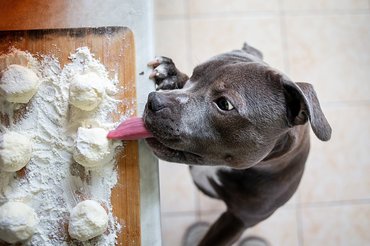
My dog ate half a bar of chocolate. What should I do? This question comes up from time to time in dog owner groups, and the answers are quite contradictory. Many insist that their pets regularly snack on chocolate and are fine, while others urge immediate medical attention.

Most responsible pet owners are aware that chocolate is toxic to dogs. The fact that this is not apparent from experience is because the health risk depends on the type of chocolate consumed, the amount consumed, and the weight of the dog. The effects of consuming a low-cocoa-content sweet may be so mild that the owner may not even notice them or may not know what to look out for.
If a dog eats chocolate, it can suffer from chocolate poisoning. Chocolate contains theobromine and caffeine, which can increase your pet's heart rate and stimulate its nervous system. The concentration of these toxic substances varies between different types of chocolate. One of the most toxic substances for dogs is cocoa powder, which has a high theobromine content. In general, eating even one bar of chocolate can have serious consequences, especially for small dogs. Never reward your dog with chocolate!

If the worst has happened and your pet has gotten hold of the forbidden treat, signs of poisoning usually appear within 6-12 hours. If you know that your dog has eaten chocolate, it is important to watch for signs of poisoning. Older dogs and dogs with heart disease are at greater risk.
These symptoms can last up to 72 hours.
If you think your pet has eaten chocolate, the best thing to do is call your vet. Based on the size of your dog and the amount and type of chocolate consumed, you can get advice over the phone on what to look out for if your dog's condition changes. If you are unsure about the amount consumed, it is definitely worth taking your pet to the vet, who can provide professional help to prevent a more serious attack. This may include inducing vomiting or administering activated charcoal.
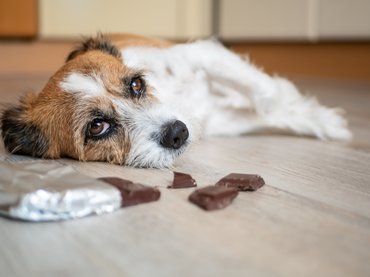
Here are a few tips to ensure that your dog does not have access to chocolate:
Store all products that are not suitable for your pet in a place where they cannot reach them. In such cases, it is best to use high, lockable cabinets.
Even if you put sweets in a high or locked place, it is worth keeping them in a lockable box to reduce the possibility of your pet getting hold of the forbidden treat in some way.
If chocolate ends up in the trash, it is still worth wrapping it up carefully, but the safest thing to do is to take the trash out to the garbage bin immediately. This way, your dog will definitely not get hold of any chocolate that may have expired and ended up in the trash.
The above rule and prohibition also apply to cakes made with cocoa or chocolate chips, or chocolate icing. Do not leave these in accessible places, and if any are accidentally left behind, do not let your dog eat them. During the holidays, pay extra attention to what you leave on the tables.
If there are children in the family, it is important that they understand that what is a snack for them is harmful to dogs. We also draw the attention of our guests to this, as they may not be aware of it if they do not have a dog of their own.
Teach your dog not to pounce on anything that falls on the ground. There are many options, whether you do it yourself at home, or ask for help from instructors and trainers at group sessions or private lessons at a dog training school. This knowledge not only protects our pet from eating chocolate, but can also be useful during walks, so that they don't eat everything they see.
Follow us!
facebook instagram youtube spotify
Related articles